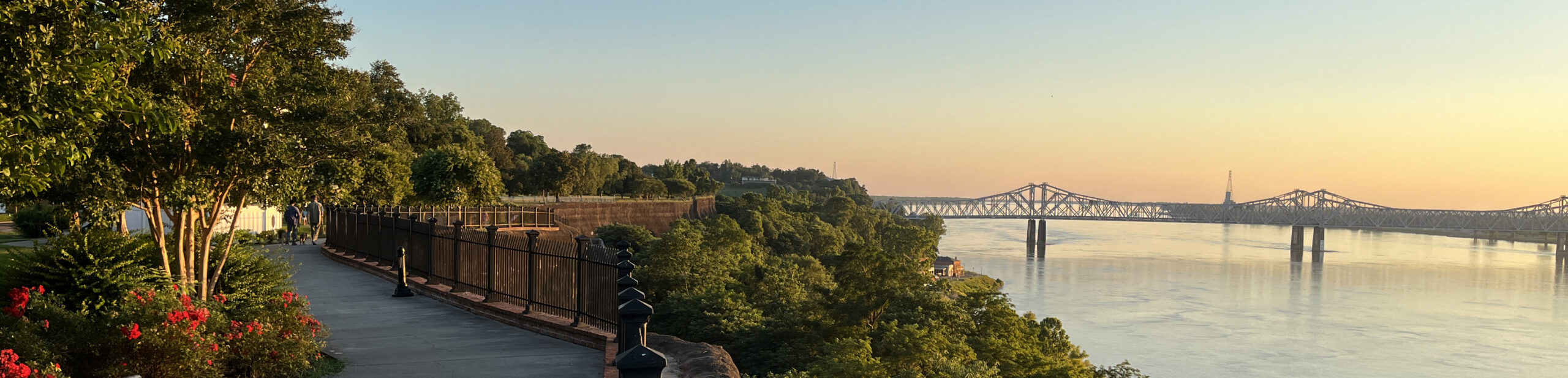
Planning and planting community forests that nurture health, resilience, and growth.
The Green Infrastructure Center, in partnership with the Mississippi Forestry Commission, is facilitating the TREES MS (Trees for Restoration, Ecology, Economy, and Society in Mississippi) Assistance Program. This is a two-plus year technical assistance program for community forestry that promotes meaningful involvement with priority communities in Mississippi. The program is intended to develop urban forestry programs for sustainable management of community forests.
The program operates at both a community-scale (municipal and tribal government-levels) and neighborhood scale and includes planning and planting phases. The community scale planning phase focuses on policy and strategy development, while the neighborhood implementation phase focuses on designing spaces for trees, along with targeted planting and maintenance strategies.
How We Support
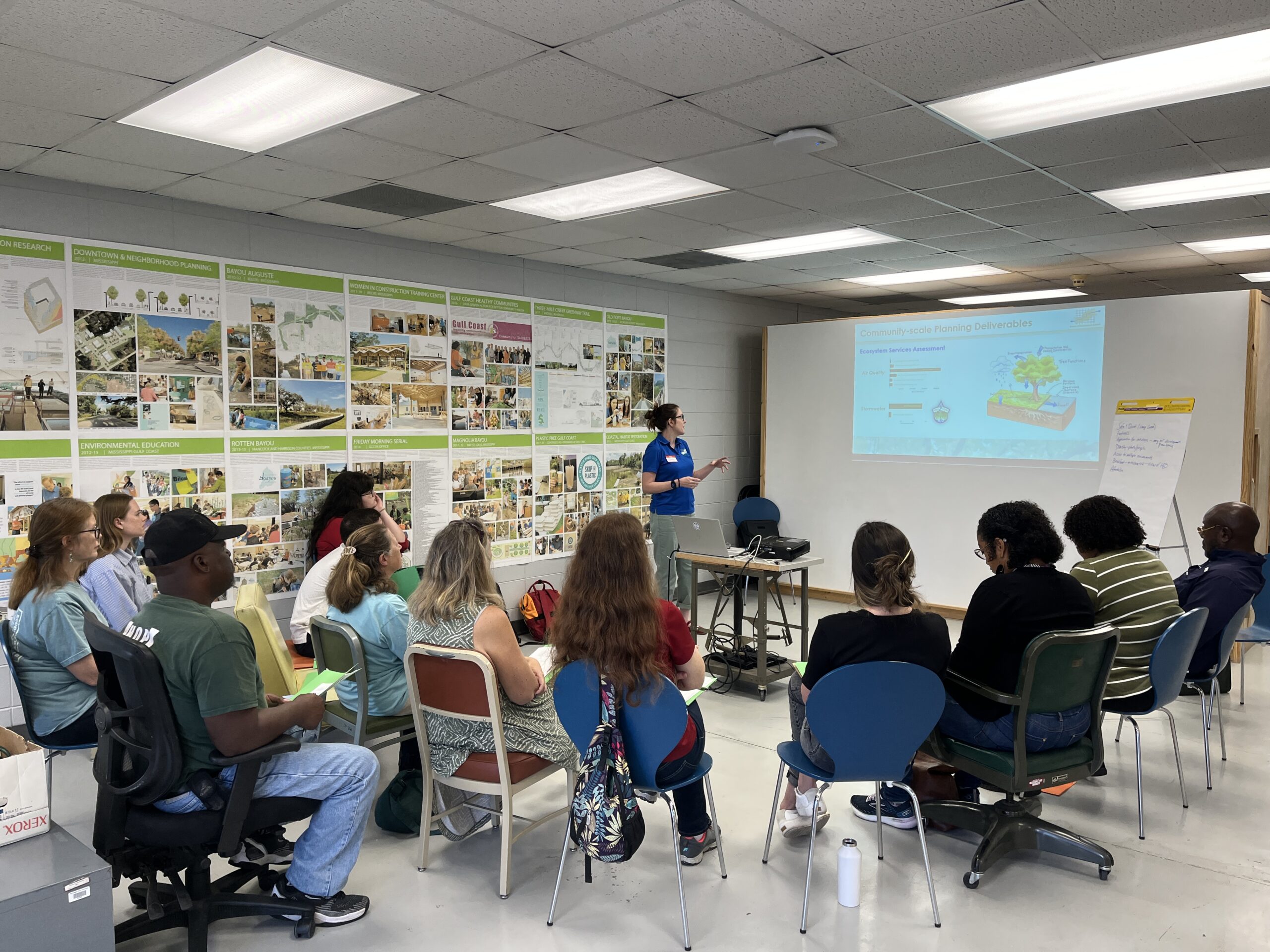
GIC facilitates the TREES MS Assistance Program using a stepwise process, with phases built upon multiple workshops and public events. The community-scale planning phase provides support at the government level and focuses on tree canopy mapping and analysis, ordinances and management, urban tree canopy goal setting and identification of strategies to attain the tree canopy goal. This phase leads the local government, guided by a Tree Canopy Advisory Committee comprised of department heads and local partners, to prioritize planting areas in the community.
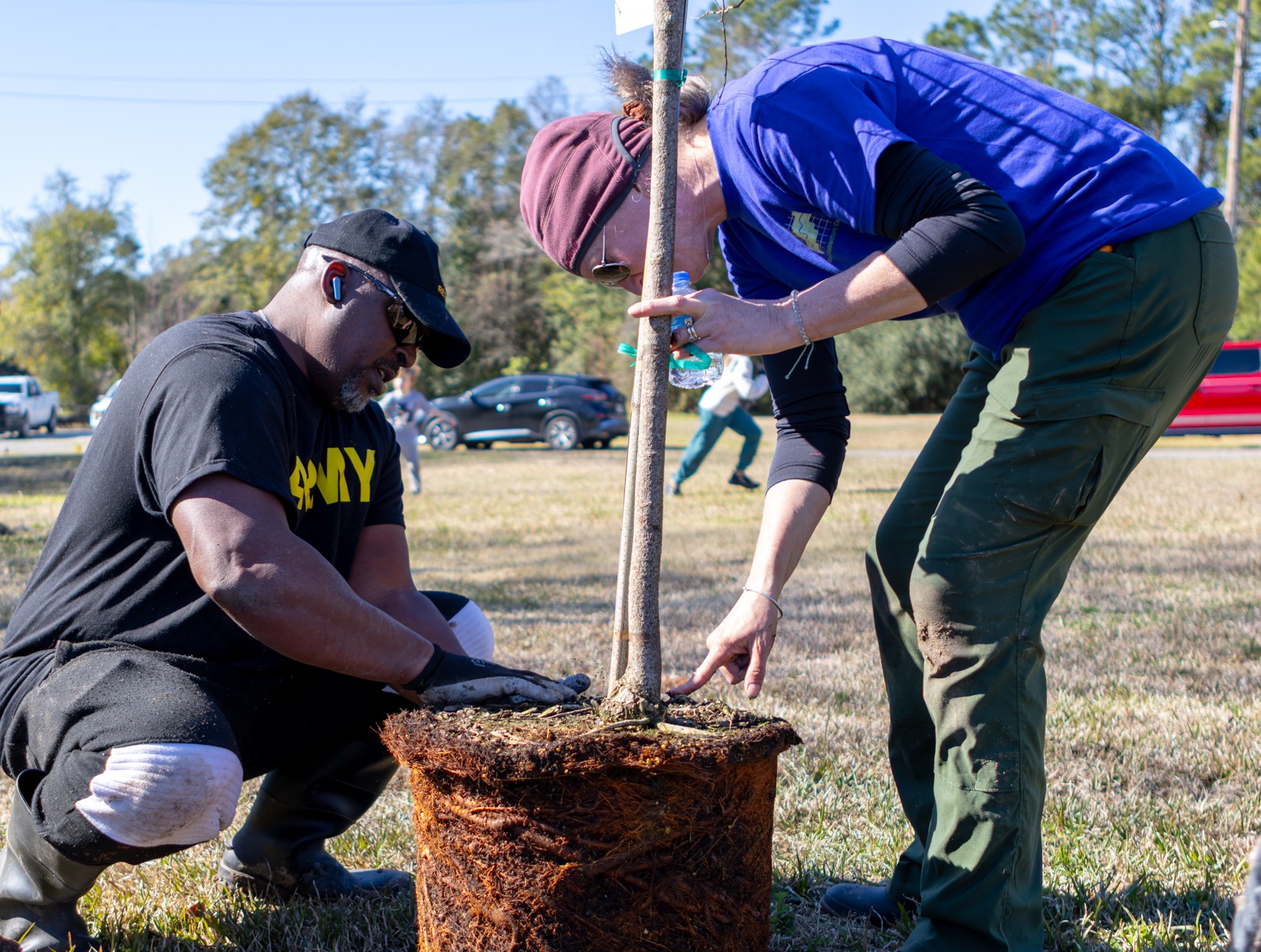
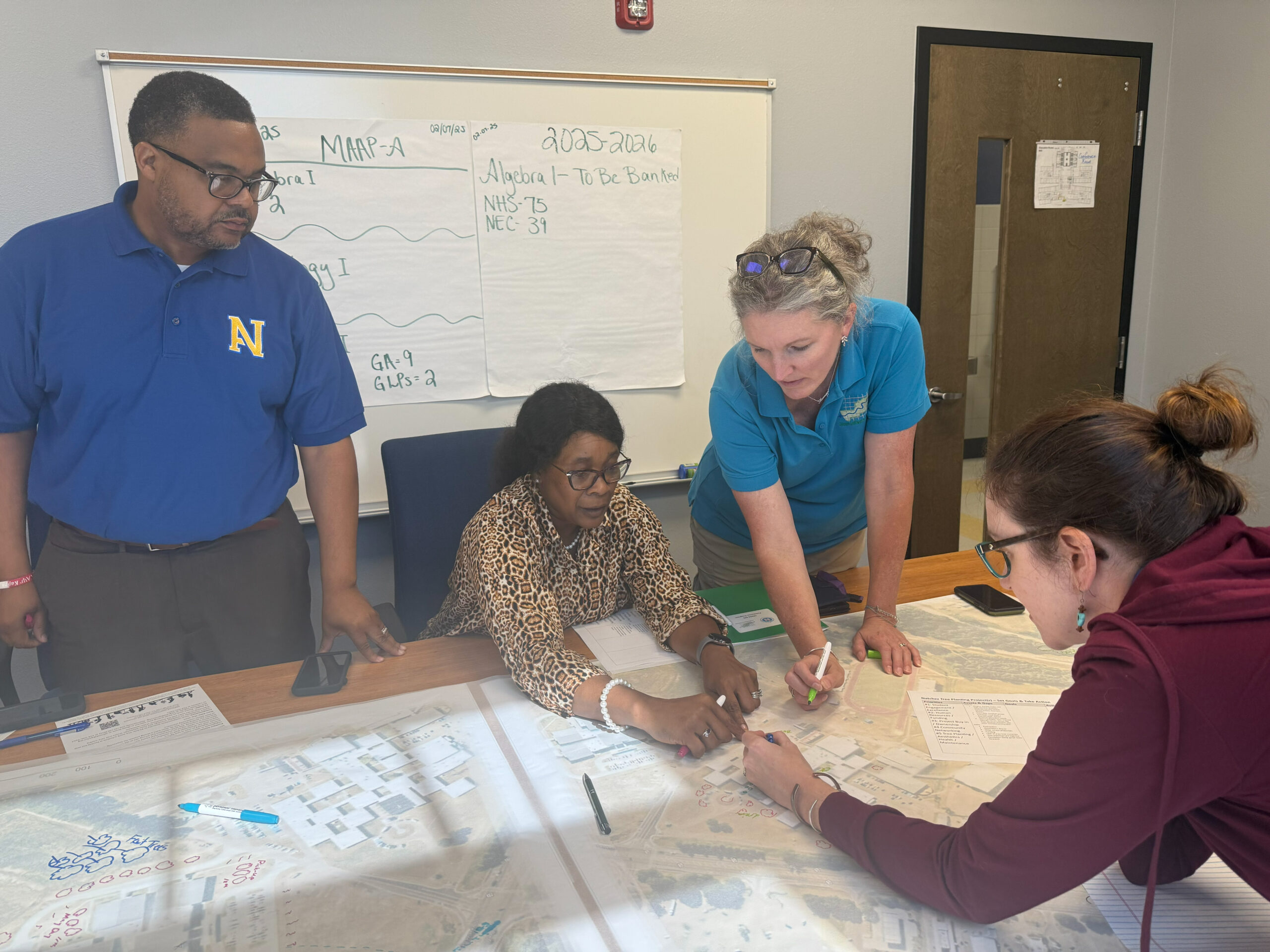
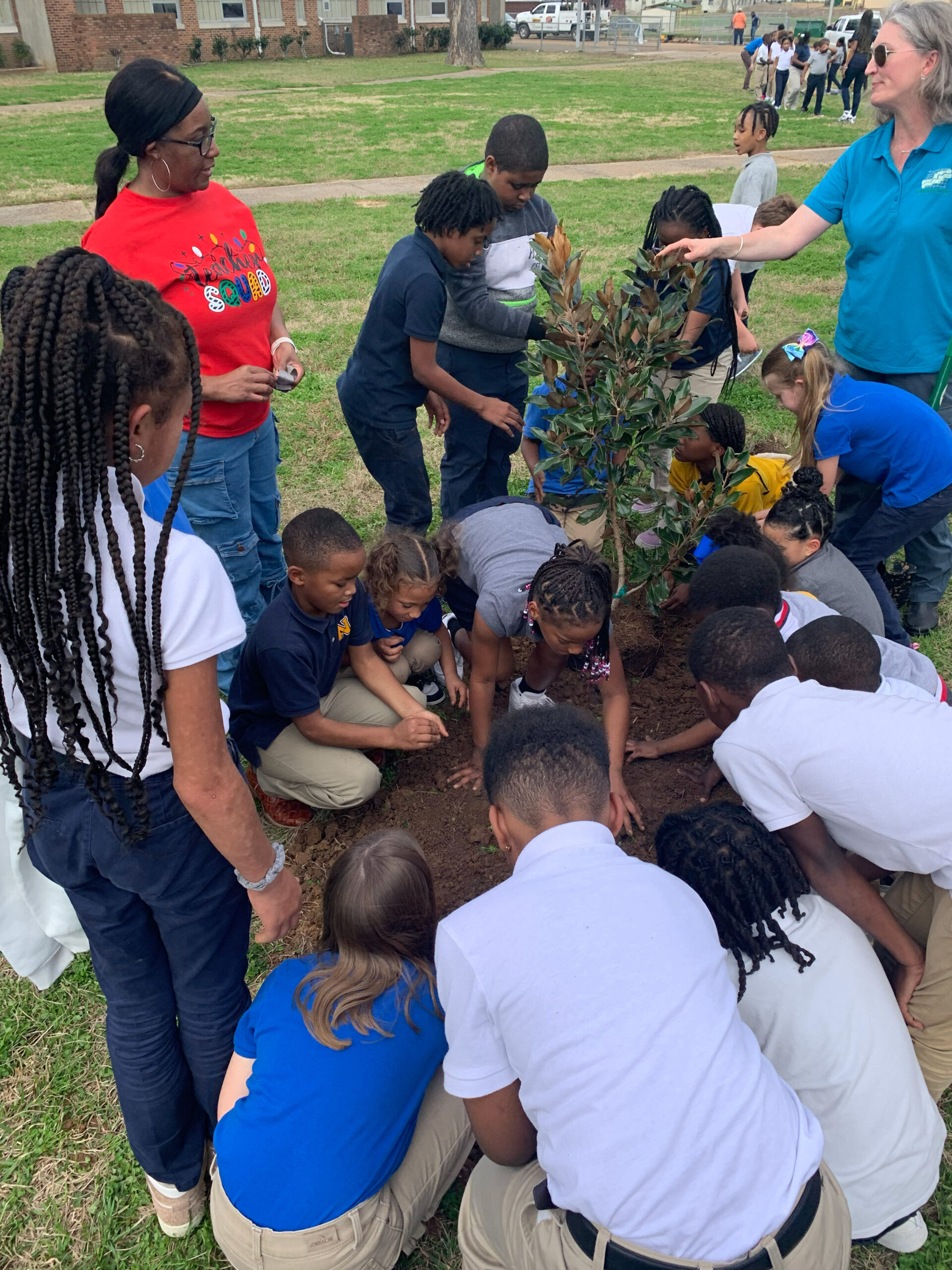
The neighborhood-scale implementation phase follows the community-scale planning. This phase is driven by community engagement. A Tree Planting Project Committee of community stakeholders (non-profit partners, local civic groups, schools, interest groups, residents, etc.) collaborates to identify desired planting locations (limited to public property). They examine how the community uses or wishes to use the site, set site goals, work with the GIC team to create a site design, and present the design to the public for input. The neighborhood phase leads into the major tree planting event(s) to implement the design plans, followed by a maintenance phase.

What We Deliver
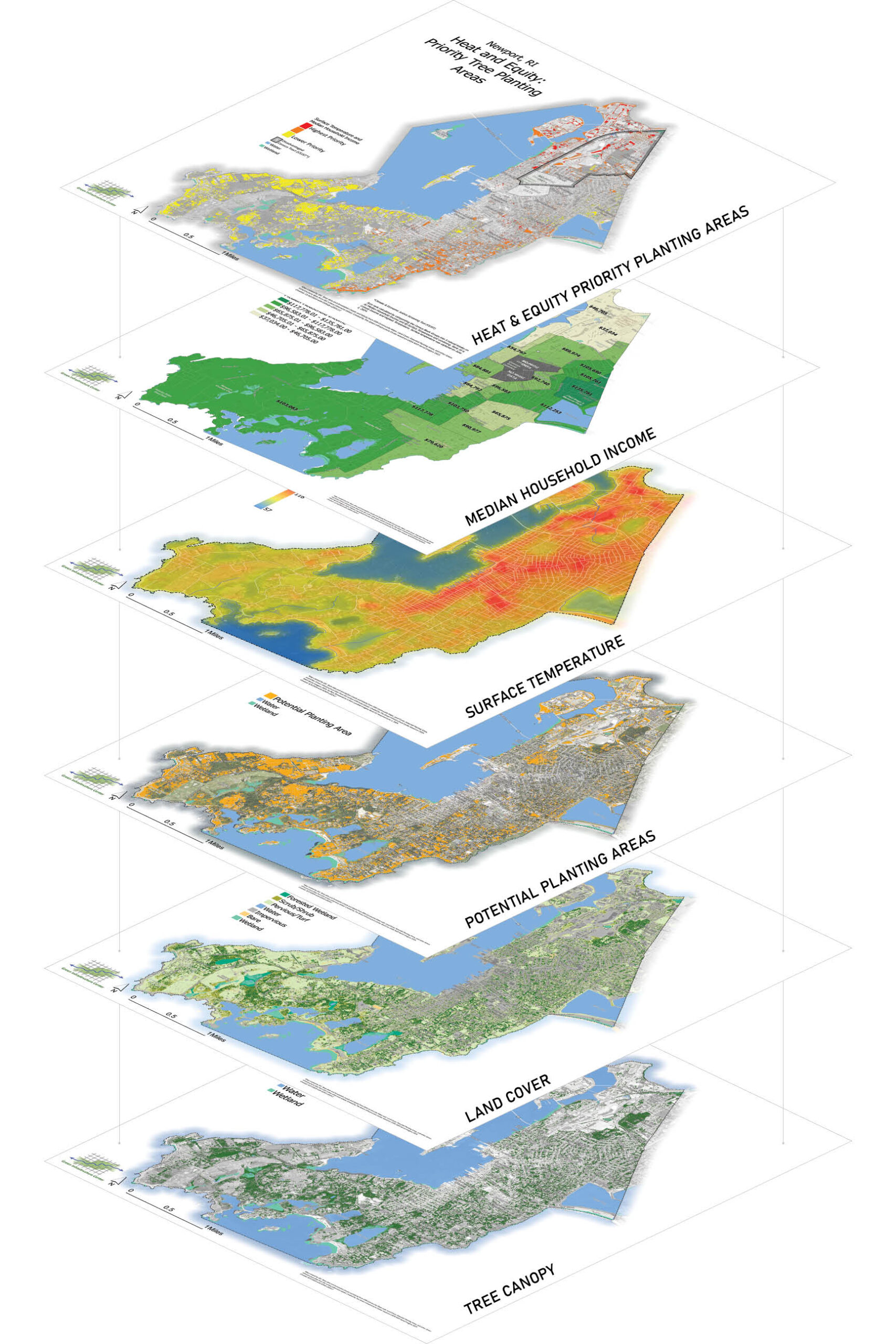 At the Green Infrastructure Center (GIC), we use data to drive decisions that make communities greener, healthier, and more resilient. Each state-based team is supported by a technical team of landscape architects, GIS analysts, natural resource managers, and planners based at GIC’s Charlottesville, Virginia headquarters. Our team combines GIS mapping with on-the-ground expertise and lived experience to identify the most effective places to plant trees. These are sites that deliver the greatest environmental and social benefits. By analyzing spatial data on land cover, urban heat, and groundwater infiltration, we help communities understand where trees are most needed and where they can make the most significant impact.
Through advanced GIS modeling, we assess existing canopy coverage, potential planting areas, and the ecosystem services trees provide, from stormwater management and air quality improvements to urban cooling. This data-driven approach ensures that every tree planted contributes strategically to community well-being, flood reduction, heat abatement, and creating more equitable access to green spaces.
Our work results in strategic tree canopy plans complete with detailed maps, data visualizations, and actionable goals. These plans empower communities, especially those historically underserved, to make informed decisions about where and how to grow their urban forests. By combining mapping, modeling, and local engagement, GIC helps cities and towns build greener infrastructure that benefits both people and the planet.
Communities Served
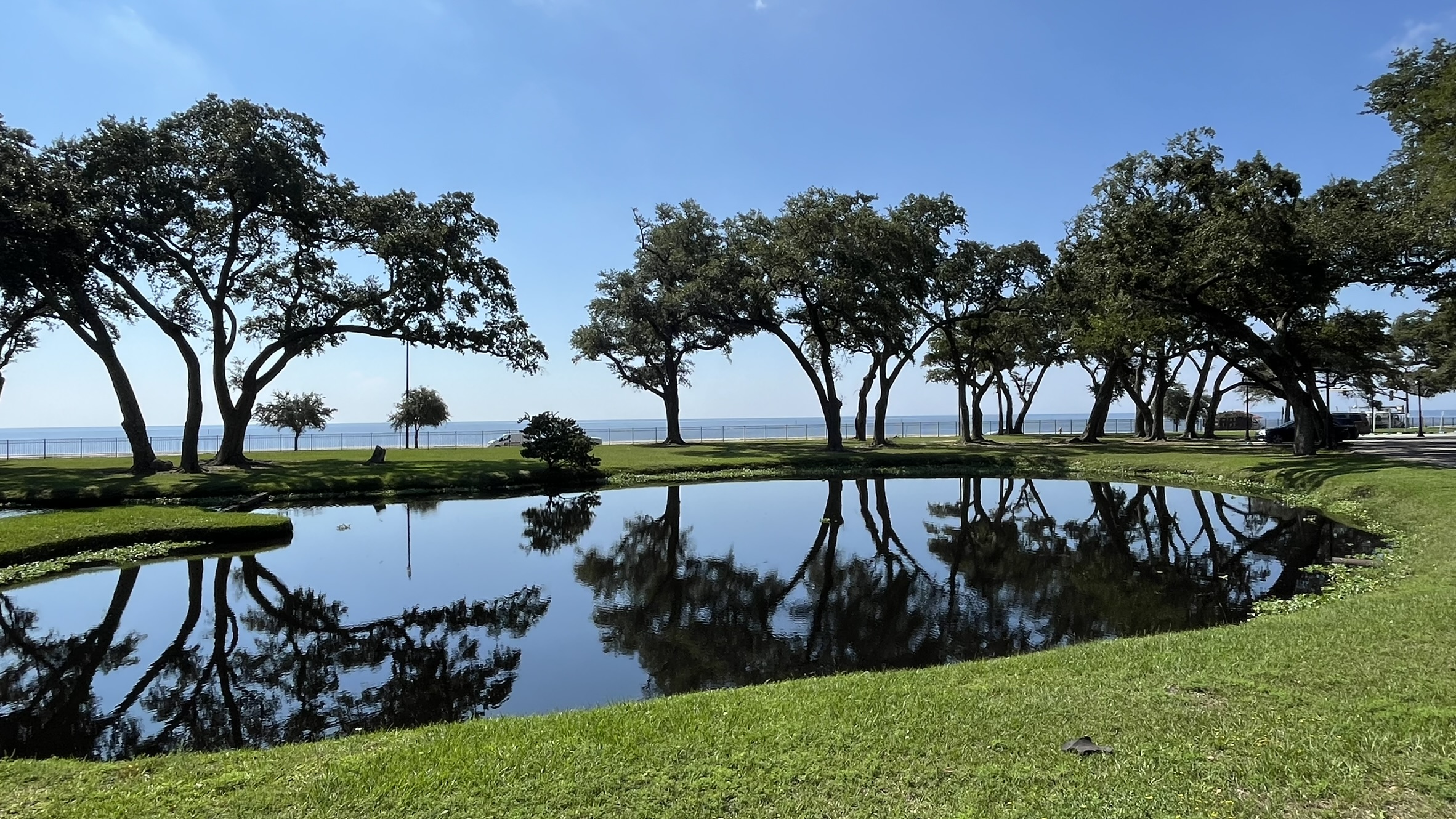 Gulfport, Mississippi
The City of Gulfport identified a goal to maintain its existing canopy of 41% over the next 20 years (no net loss) through increasing capacity of their existing urban forestry program by establishing tree care standards and identifying staffing needs, strengthening tree protection and replacement policies, and expanding their outreach to schools and other community partners.
At the neighborhood-level, community partners and residents collaborated on a planting design for Brickyard Bayou Park. The design proposes expansion of the orchard at the existing community garden, new plantings around an underutilized outdoor classroom, and adding plantings throughout the hiking, biking, and disc golf areas of the park. The site plan design is finalized, and planting began in early 2026.
Status: Phase II in progress | Trees planted: 139 | Trees given to residents: 117
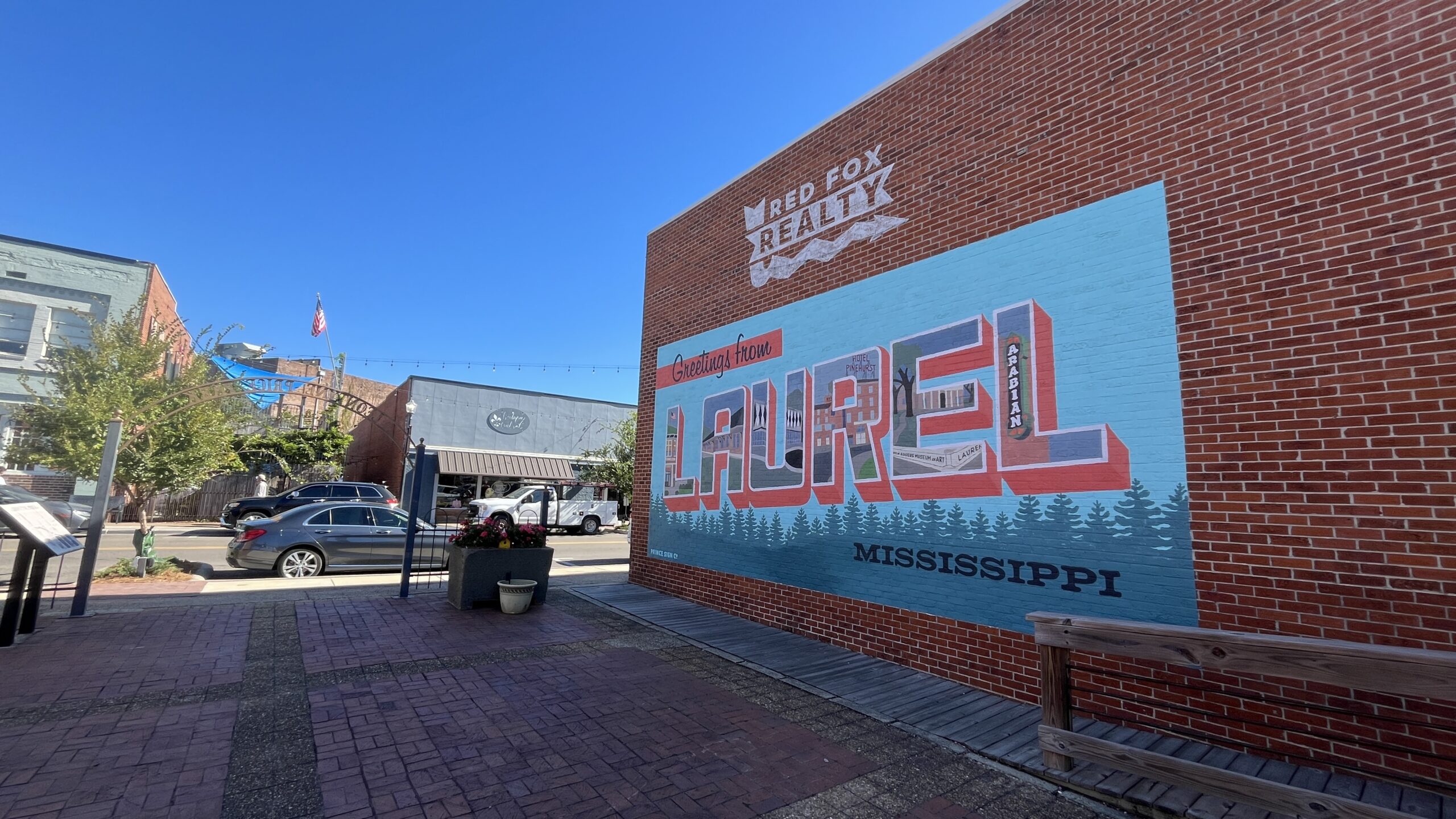 Laurel, Mississippi
The City of Laurel identified a goal to expand its existing tree canopy to 50% (an increase of 1%) over the next 20 years. Their selected strategies include establishment of professional standards for those caring for public trees, use of GIC data to pursue targeted plantings in identified areas of need, maintenance of a list of approved/prohibited tree species, and broadening community engagement by forming tree advocacy and stewardship groups.
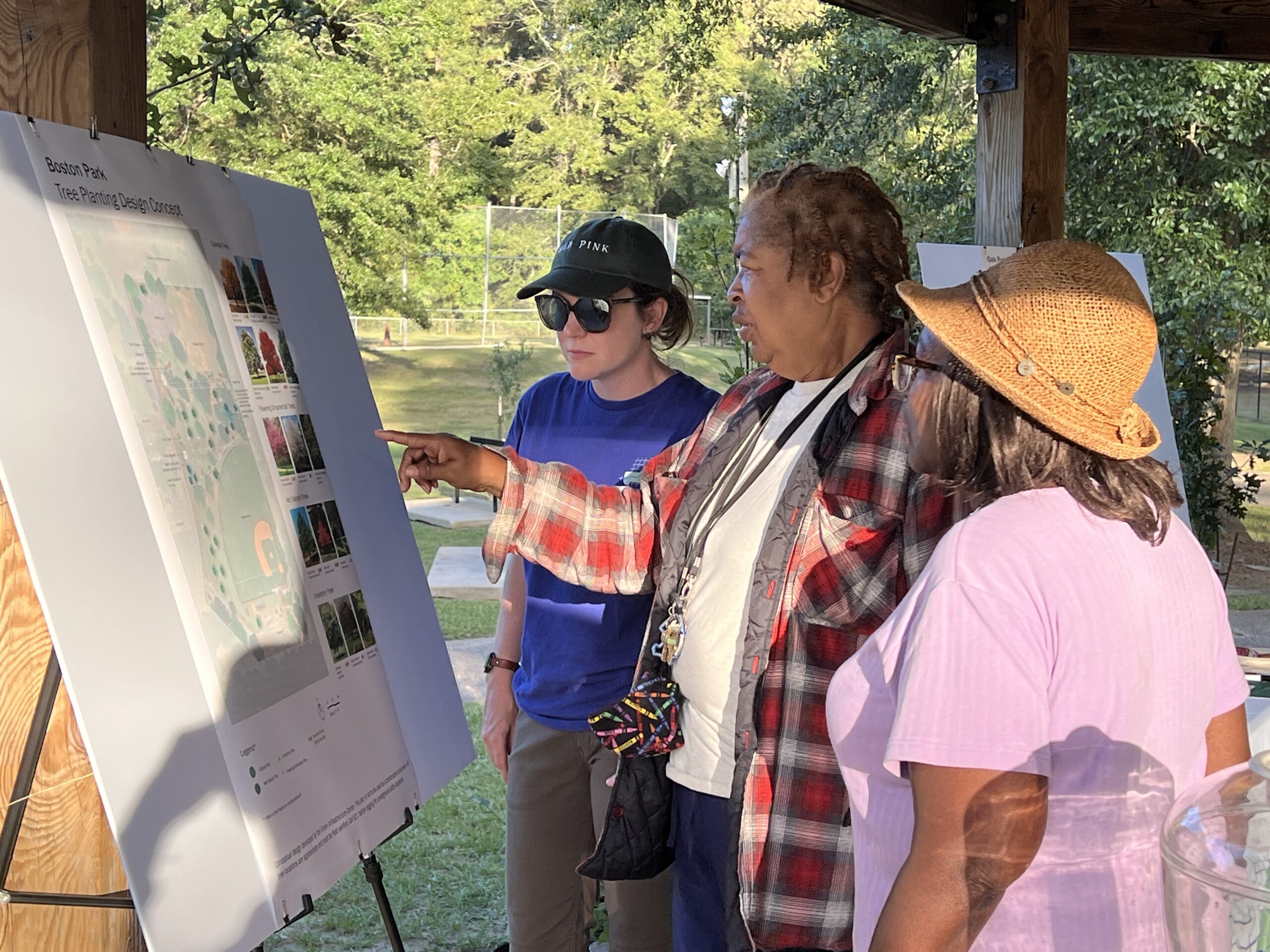
The city chose to pursue tree planting projects at a local elementary school, Oak Park Elementary, and adjacent Boston Park. The Tree Planting Project Committee, comprised of school system employees, alumni, housing authority representatives, garden club members, tree advisory board members, and neighborhood residents collaborated to design a planting plan for the school that would feature a legacy trail for future class tree adoptions, plantings around the unshaded playgrounds, and inter-plantings throughout the park. The planting site plan designs are finalized and planting began in early 2026.
Status: Phase II in progress | Trees planted: 80 | Trees given to residents: 117
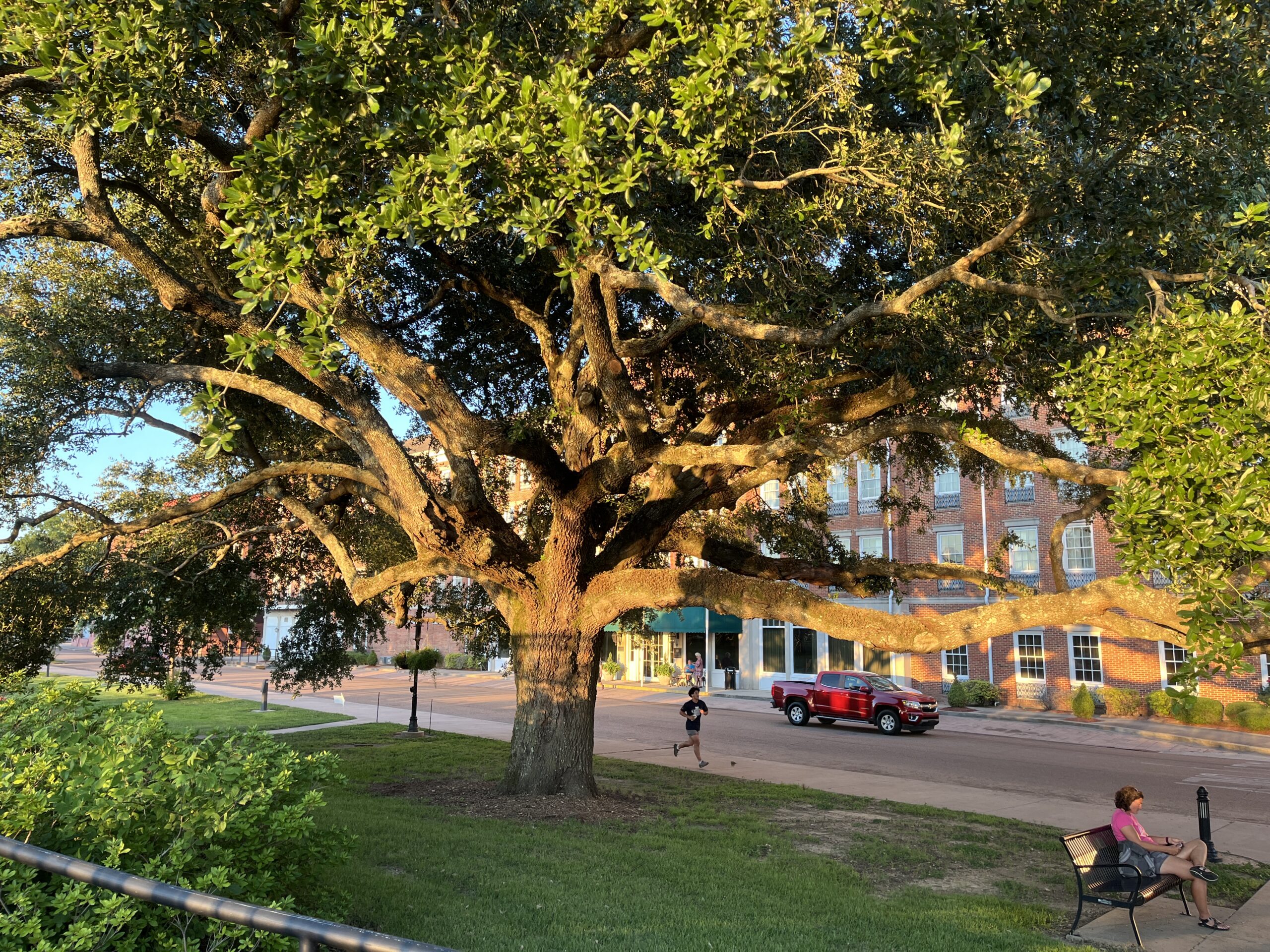 Natchez, Mississippi
The City of Natchez set a goal to maintain its existing tree canopy of 56% over the next ten years (no net loss). Their strategies include adopting a public tree care ordinance and updating the land development code to strengthen landscaping standards, partnering with schools to offer workshops and volunteer opportunities for expanding tree canopy on campus (and beyond), and focusing on planting the next generation of trees in public areas with aging canopy.
The city partnered with the Natchez-Adams School District to pursue plantings on the high school and middle school campuses. The high school was recently constructed and lacks any tree canopy, while the middle school has planting opportunities in several of its courtyards. Teachers, administrators, community stakeholders, and the Parks and Recreation department worked to design a plan that would help with shading students during various campus events and while waiting for buses, as well as to highlight the architecture of school buildings, both new and old. The plans were presented to the students during their annual homecoming week and received enthusiastic support. Over 100 students registered to volunteer for planting which will take place in early 2026.
Status: Phase II in progress | Trees planted: 201 | Trees given to residents: 116
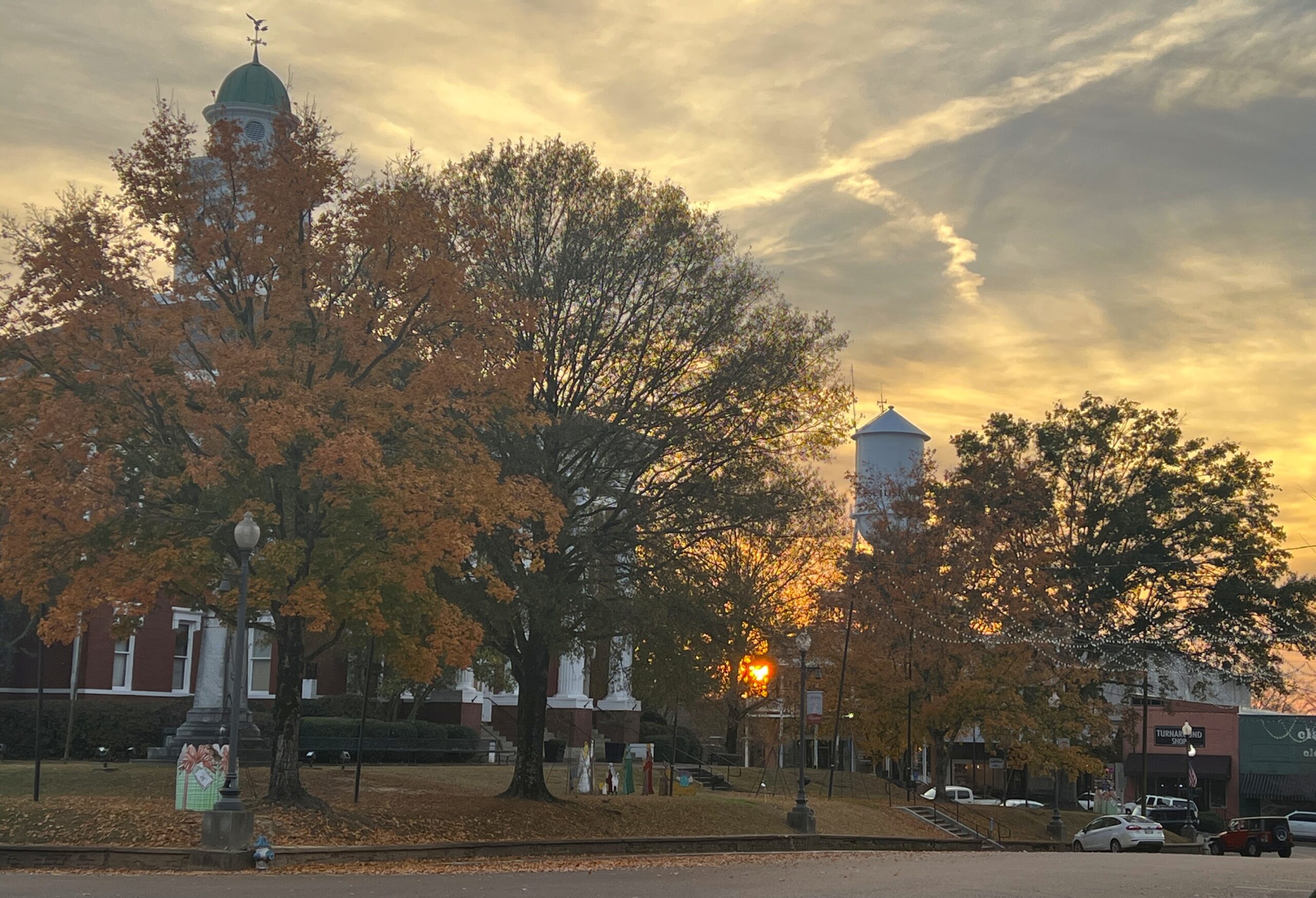 Kosciusko, Mississippi
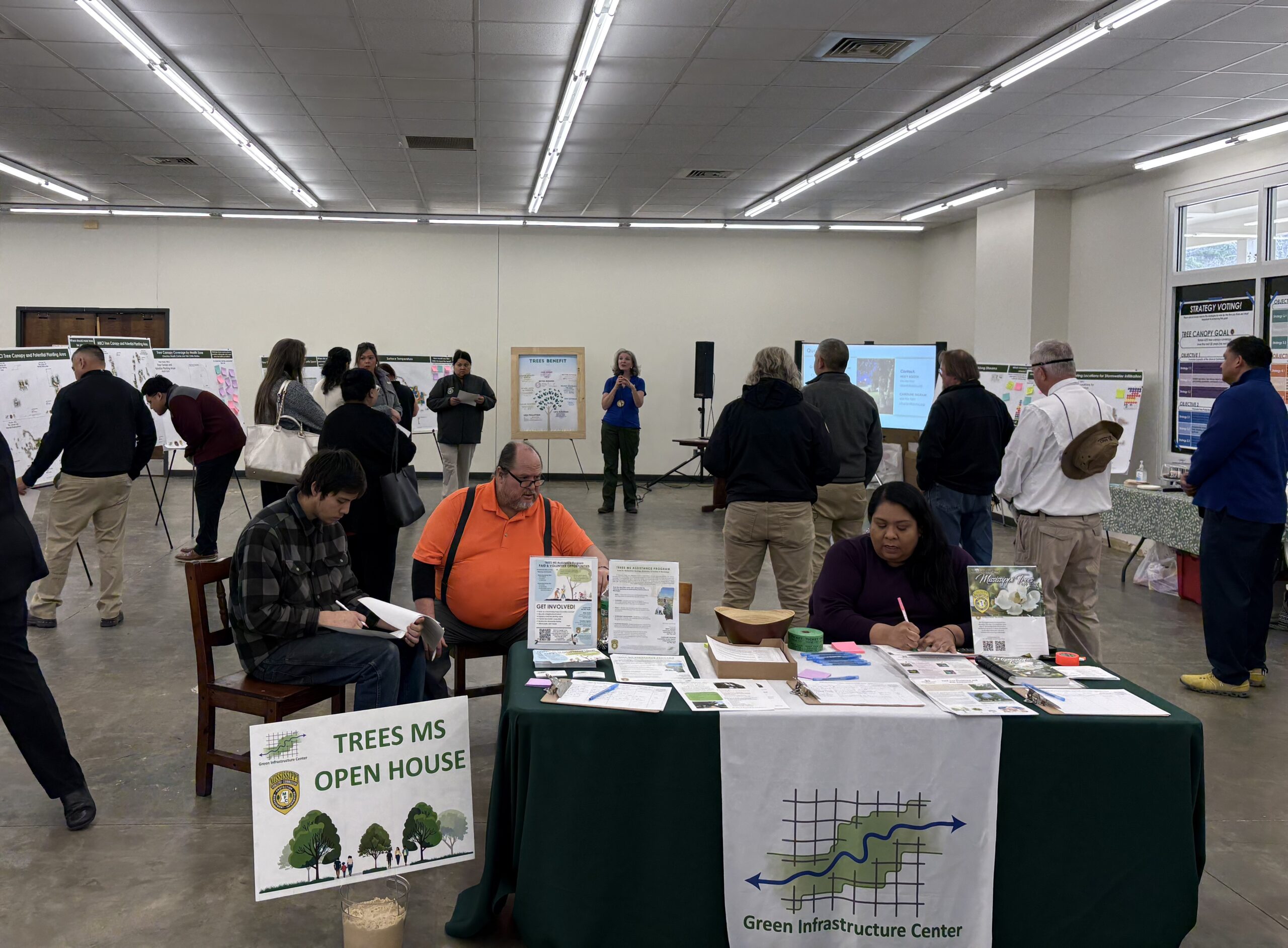
Kosciusko set a goal to expand its existing tree canopy to 53% (an increase of 1%) over the next 20 years. The Tree Canopy Advisory Committee has selected a variety of strategies for the public to review and vote on during their open house event scheduled for February 2026.
Status: Phase I in progress | Trees planted: 1 | Trees given to residents: 30
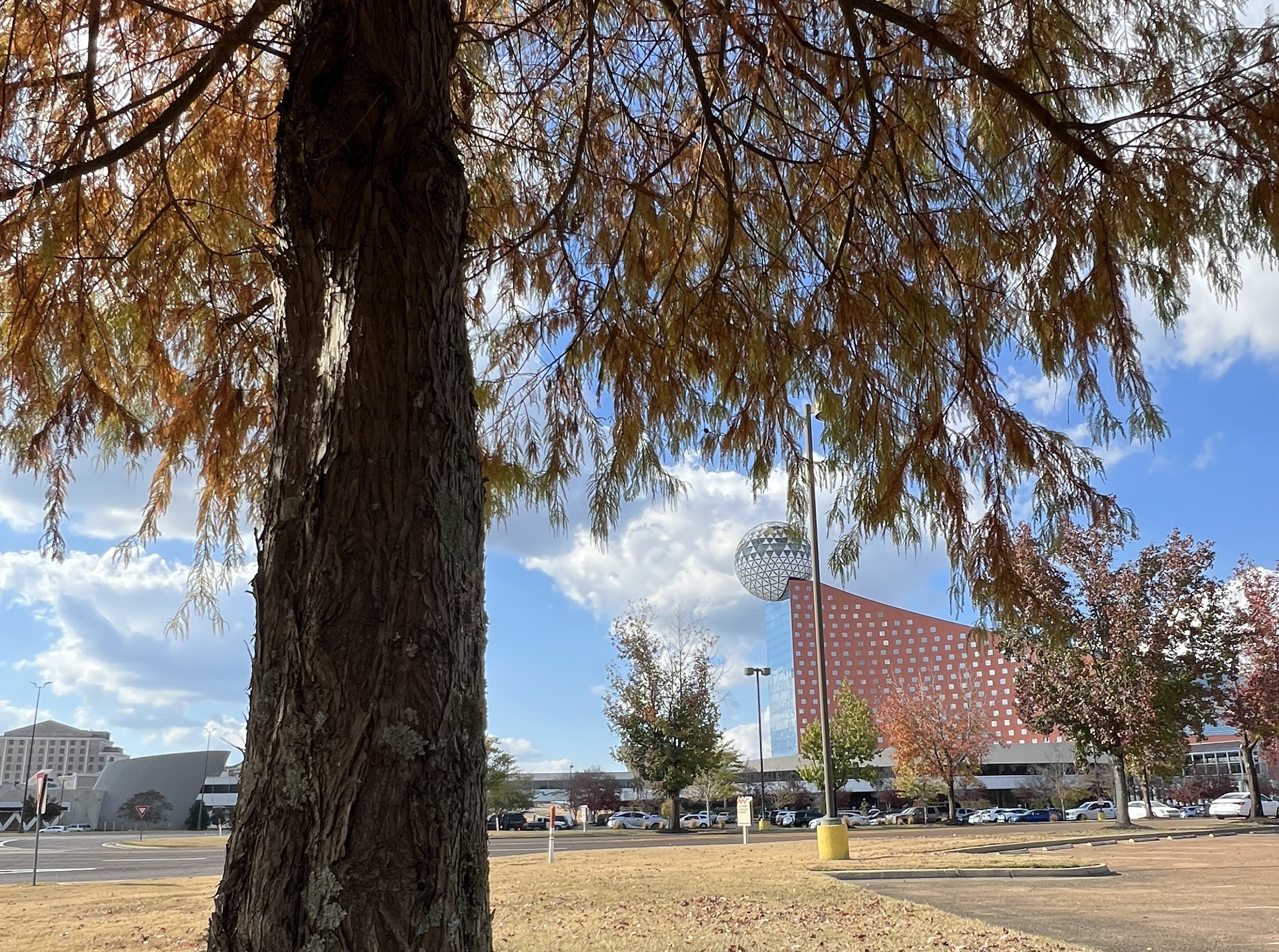 Mississippi Band of Choctaw Indians (MBCI)
The Tribe set a goal to maintain its existing tree canopy in developed areas on tribal lands of 63% (no net loss) over the next 20 years. The Tree Canopy Advisory Committee has identified strategies to achieve this goal and will present them for public review during their open house event scheduled for early February 2026.
Status: Phase I in progress | Trees planted: 0 | Trees given to residents: 31
News and Highlights
Mississippi Forestry Commission, in partnership with the Green Infrastructure Center, Announces Those Communities Participating in the TREES MS Assistance Program
Urban forest planning and tree planting support awarded to six Mississippi communities through the new Trees for Restoration, Ecology, Economy, and Society in Mississippi (TREES MS) Assistance Program.
Natchez Invites Residents to Open House on City Trees, 20 Free Trees to be Raffled
The main purpose for the open house is to help the community learn about and nurture the growth of the tree canopy in Natchez.
Trees MS Open House: Creating a Greener Gulfport
The Green Infrastructure Center, along with Trees MS, host an Open House event they’re hoping will give South Mississippians a bit of a green thumb.
Meet the Mississippi Team
 |
 |
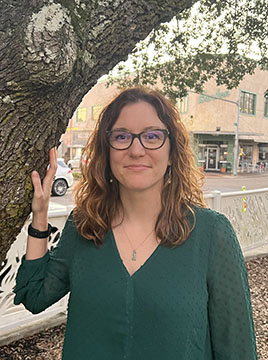
| Caroline Ingram Community Forestry Planner |
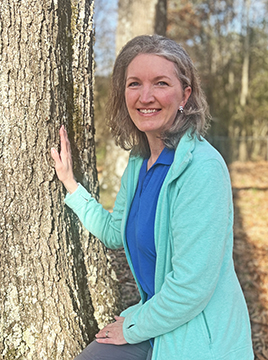
Misty Booth Community Forester |
Want to Work With Us?
This program was funded by a federal grant from the Inflation Reduction Act to the USDA Forest Service and the state. GIC frequently partners with states and local governments to write grant proposals. GIC is also able to work on a fee-for-service basis as a consultant to governments, land trusts and conservation organizations.
Are you interested in growing your community’s tree canopy? We’d love to help. Connect with us to see how your community can get started!