
Growing stronger communities through equitable urban forestry planning and action.
The South Carolina Forestry Commission (SCFC) partnered with the Green Infrastructure Center (GIC) to provide support to twelve South Carolina communities to expand and enhance their urban forestry programs. The Trees4SC! program was created by GIC to provide this support through mapping, planning, and community outreach. Trees4SC! is designed to assist municipalities in strategizing equitable distribution of their urban forest assets and the implementation of these strategies to accomplish a designated goal. Each selected community will engage in a multi-phase process, including the assessment of existing tree canopy and analyzing how to maximize benefits for the community, to planting, and maintaining trees and developing a long-term strategic tree canopy plan.
Through a competitive application process the following South Carolina communities were chosen: Darlington, Kershaw, Lake City, Camden, Dillon, Walterboro, Columbia, Lexington, Spartanburg, Anderson, Greenwood, and North Charleston.
How We Support
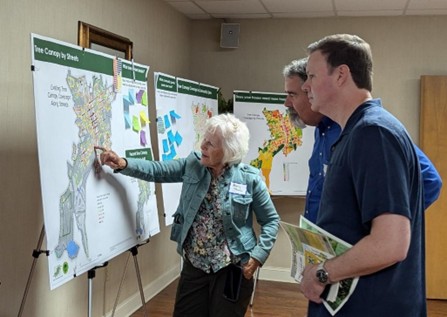
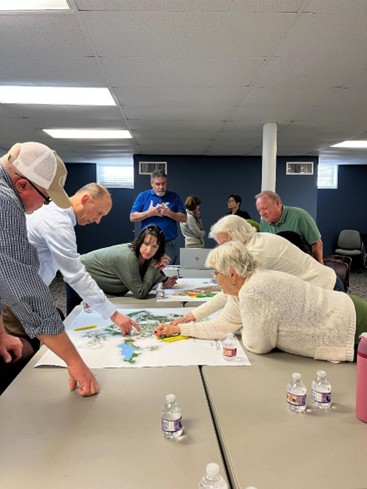
Trees4SC! delivers data-driven analysis, education, planning, and community outreach to strengthen local urban forestry programs. Using GIS mapping, the program identifies where tree canopy currently exists, where it can be expanded, and where trees will deliver fundamental ecosystem services. Strategic planning ensures these benefits are maximized and equitably shared across the community, accounting for economic, environmental, and social impacts. Community participation is central to the program, empowering residents with the knowledge needed to value, protect, and sustain a healthy urban forest. By the conclusion of each two-year cycle, municipalities are equipped to integrate trees into policies and practices, establishing a lasting framework for urban forest stewardship and supporting resilient, sustainable communities.

What We Deliver
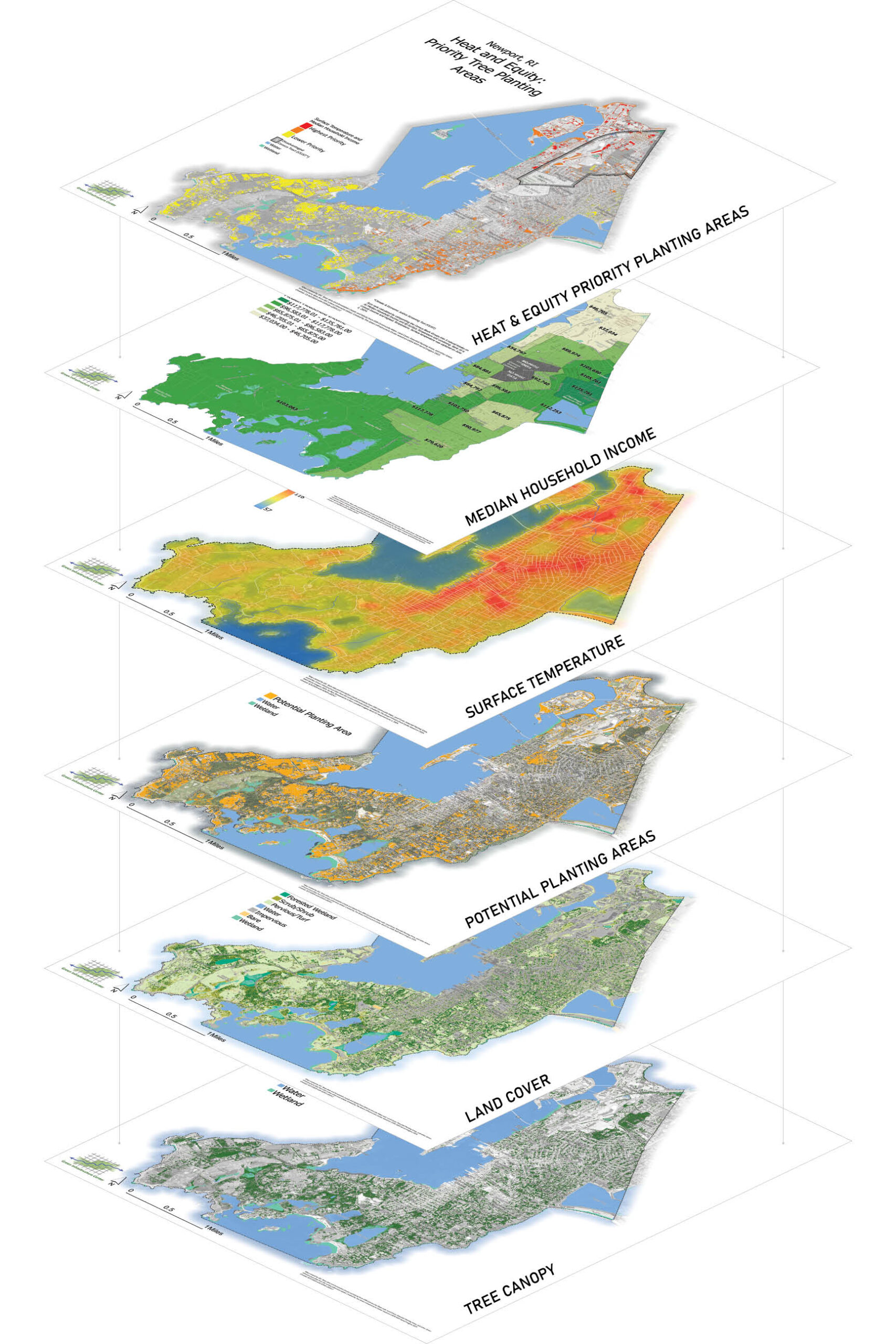 At the Green Infrastructure Center (GIC), we use data to drive decisions that make communities greener, healthier, and more resilient. Each state-based team is supported by a technical team of landscape architects, GIS analysts, natural resource managers, and planners based at GIC’s Charlottesville, Virginia headquarters. Our team combines GIS mapping with on-the-ground expertise and lived experience to identify the most effective places to plant trees. These are sites that deliver the greatest environmental and social benefits. By analyzing spatial data on land cover, urban heat, and groundwater infiltration, we help communities understand where trees are most needed and where they can make the most significant impact.
Through advanced GIS modeling, we assess existing canopy coverage, potential planting areas, and the ecosystem services trees provide, from stormwater management and air quality improvements to urban cooling. This data-driven approach ensures that every tree planted contributes strategically to community well-being, flood reduction, heat abatement, and creating more equitable access to green spaces.
Our work results in strategic tree canopy plans complete with detailed maps, data visualizations, and actionable goals. These plans empower communities, especially those historically underserved, to make informed decisions about where and how to grow their urban forests. By combining mapping, modeling, and local engagement, GIC helps cities and towns build greener infrastructure that benefits both people and the planet.
Communities Served
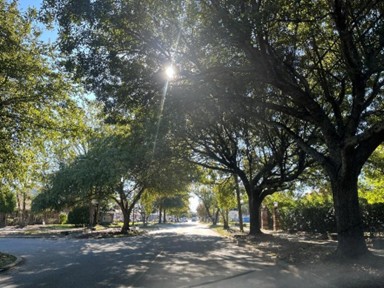 Darlington, South Carolina
The City of Darlington is working to maintain its 43% tree canopy through public education and community involvement. They will prioritize planting trees in public spaces and parts of the community that have lower canopy.
Status: Completed the Program | Number of Trees Planted: 264 | Number of Trees Given Away to Community Residents: 157
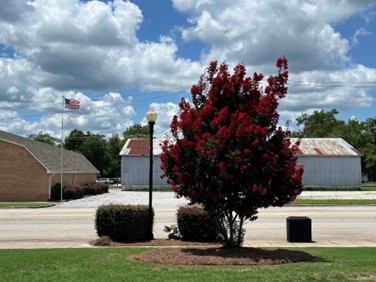 Kershaw, South Carolina
The Town of Kershaw is working to increase its 42% tree canopy by 1,888 trees, symbolic of the town’s founding in 1888, which is an increase of approximately 1.5%. The goal is to increase the canopy over the next ten years. Kershaw plans to plant trees in public spaces such as parks, schools, streets, and community entrances. Kershaw plans to continue to host tree giveaway events to get trees into residential properties.
Status: Completed the Program | Number of Trees Planted: 861 | Number of Trees Given Away to Community Residents: 72 | View Report
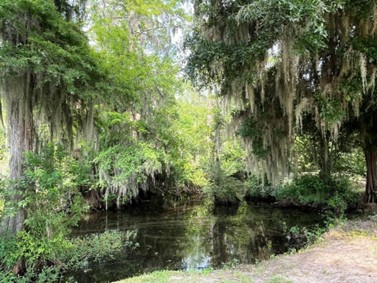 Lake City, South Carolina
The City of Lake City is working to increase its 40% tree canopy by 1% over the next 20 years. Lake City plans to plant trees on public lands, cultivate partnerships with community organizations, educate the public, and protect its heritage trees.
Status: Completed the Program | Number of Trees Planted: 233 | Number of Trees Given Away to Community Residents: 127 | View Report
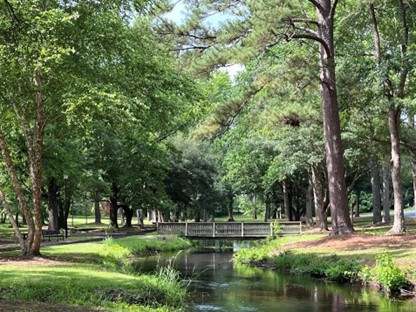 Camden, South Carolina
The City of Camden is working to maintain its tree canopy at 43%. Camden aims to plant trees in public spaces such as parks and schools, develop community partnerships, remove invasive species, and involve the community through education and community programs.
Status: Phase I Completed | Number of Trees Planted: 0 | Number of Trees Given Away to Community Residents: 0
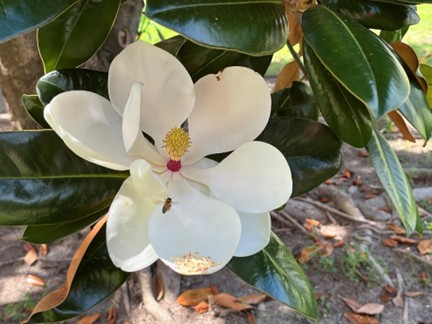 Dillon, South Carolina
The City of Dillon is working to increase its 30% tree canopy by 1% over the next 20 years. Dillon will plant trees in community spaces, beautify their downtown area, enhance tree protection ordinances, engage the community in tree programs, and provide training to city employees.
Status: Phase I Completed | Number of Trees Planted: 0 | Number of Trees Given Away to Community Residents: 0
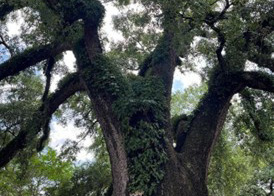 Walterboro, South Carolina
The City of Walterboro is working to maintain its 54% tree canopy. Walterboro aims to target areas of the city that will reduce urban heat islands and flooding. Additionally, they would like to replace trees lost in a tornado and to removal on private property. They plan to engage the public through educational workshops and removal of invasive species.
Status: Phase I Completed | Number of Trees Planted: 0 | Number of Trees Given Away to Community Residents: 0
Columbia, South Carolina – Will Begin Phase I Winter 2026
Lexington, South Carolina – Will Begin Phase I Winter 2026
Spartanburg, South Carolina – Will Begin Phase I Winter 2026
Anderson, South Carolina – Will Begin Phase I Winter 2027
Greenwood, South Carolina – Will Begin Phase I Winter 2027
North Charleston, South Carolina – Will Begin Phase I Winter 2027
News and Highlights
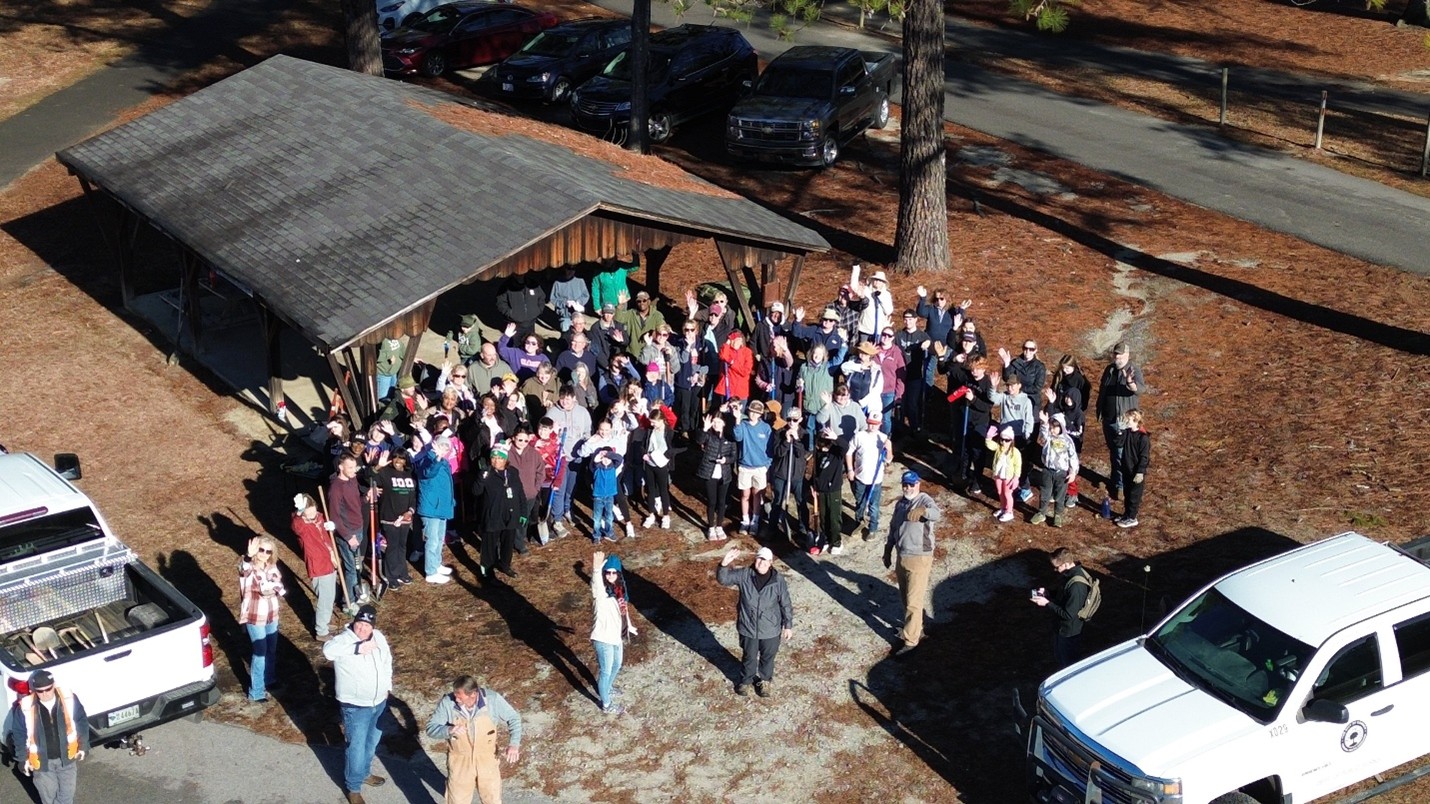
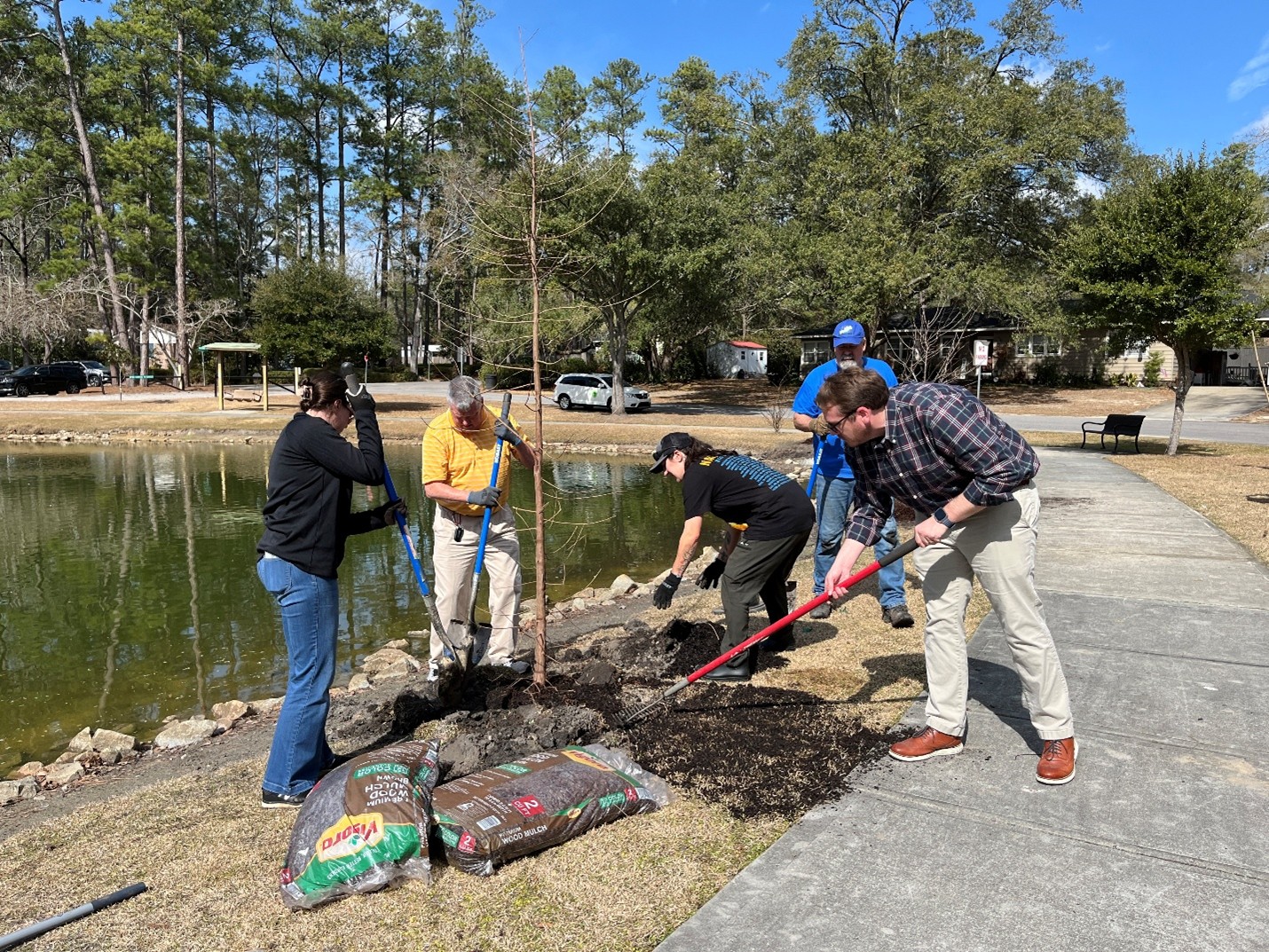
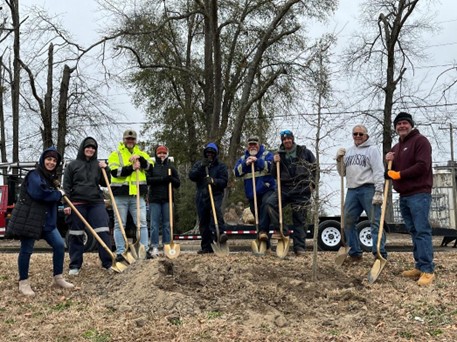
City of Darlington Planting 265 Trees to Improve Beautification and Tree Canopy
The City of Darlington and the Green Infrastructure Center, Inc. are planting approximately 265 trees throughout the city limits to boost beautification and build upon an already stout tree canopy.
Camden launches tree planting initiative to fight flooding and urban heat
Camden is partnering with Trees 4 SC to expand its tree canopy, aiming to reduce flooding, heat, and pollution.
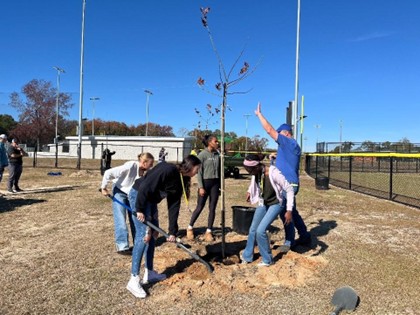
Volunteers go green by planting trees at Lake City schools
Volunteers planted trees from sunup to sundown at five different schools in Lake City. The city was given a grant from the South Carolina Forestry Commission and Green Infrastructure Center to pay for the trees.
Meet the South Carolina Team
 |
 |
 |
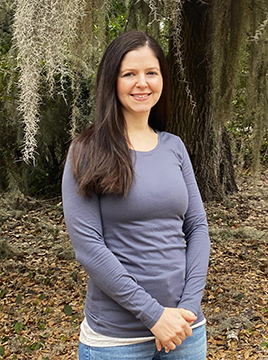
| Marsha Potter Community Forest Planner |
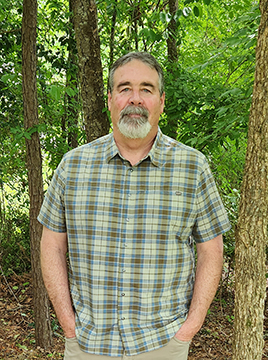
Tom Knowles Community Forester |
Derek Matchette Associate Forester |
Want to Work With Us?
This program was funded by a federal grant from the Inflation Reduction Act to the USDA Forest Service and the state. GIC frequently partners with states and local governments to write grant proposals. GIC is also able to work on a fee-for-service basis as a consultant to governments, land trusts and conservation organizations.
Are you interested in growing your community’s tree canopy? We’d love to help. Connect with us to see how your community can get started!