Building urban forests that nurture health, equity, and resilience.
| Latest News GIC is hiring a part-time Woonsocket Community Tree Advocate. Apply now. Join us in creating a cleaner and greener Woonsocket. Learn more and sign up. |
The Rhode Island Department of Environmental Management’s Division of Forest Environment (DFE) is partnering with the Green Infrastructure Center to enhance and sustain urban tree cover in the Ocean State. This program was funded by a 2023 federal grant from the Inflation Reduction Act through the U.S. Department of Agriculture, Forest Service, as well as 2023 Congressionally Directed Funding secured by U.S. Senators Jack Reed and Sheldon Whitehouse. The RI Department of Environmental Management and GIC are equal opportunity providers.
This program is designed to assist municipalities in establishing equity-driven community forestry programs that contribute to thriving and resilient communities. Municipalities were selected through a competitive application process to receive technical support and hands on assistance to strengthen urban forestry programs through mapping, policy review, and goal-setting. Each participating community engages in a multi-phase process that begins with an assessment of existing land cover data including tree canopy, which creates the foundation for establishing and realizing canopy goals through a combination of policies, program, financing mechanisms, and community-led advocacy and design. We collaborate closely with local partners, including Groundwork Rhode Island, the Health Equity Zones, an initiative of the RI Department of Health and many other programs to ensure that these efforts prioritize neighborhoods most affected by low canopy cover, extreme heat, flooding and other social determinants of health, such as access to green space.
Though this program began in 2023, GIC has been partnering with DFE’s Urban and Community Forestry Program and Rhode Island communities for several years. Past work has included landcover mapping, stormwater analysis, and strategic tree canopy plans in various RI municipalities.
How We Support
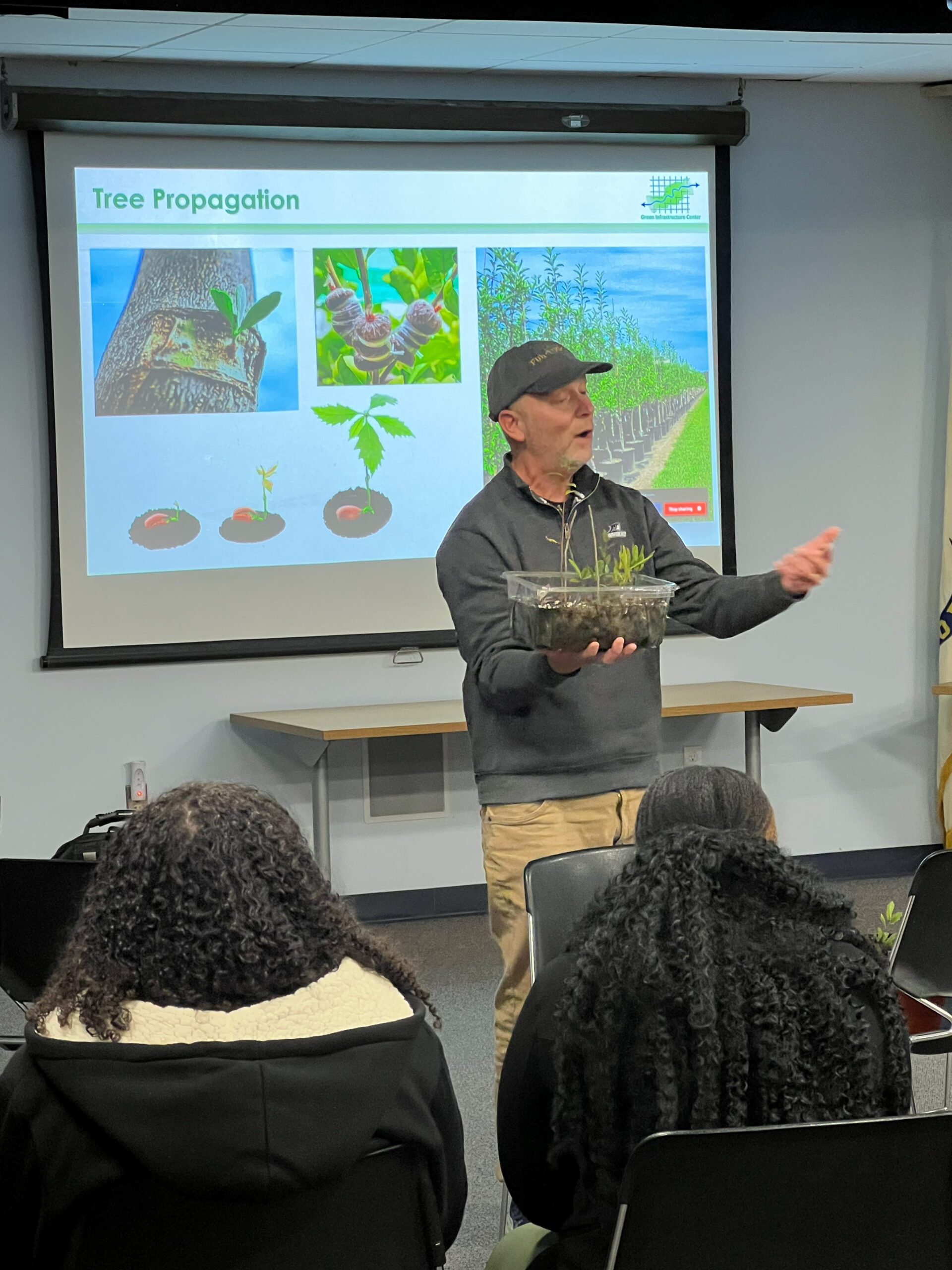
Beyond planting trees, the two-phase program empowers people. GIC facilitates peer learning networks for participating communities. We also build local capacity for tree care, advocacy, and planning through a community-led process which identifies desirable tree-planting locations and opportunities for green space improvements. The work better equips communities to integrate trees into municipal codes and planning processes, creating a clear framework for Rhode Island communities to achieve their canopy goals.

What We Deliver
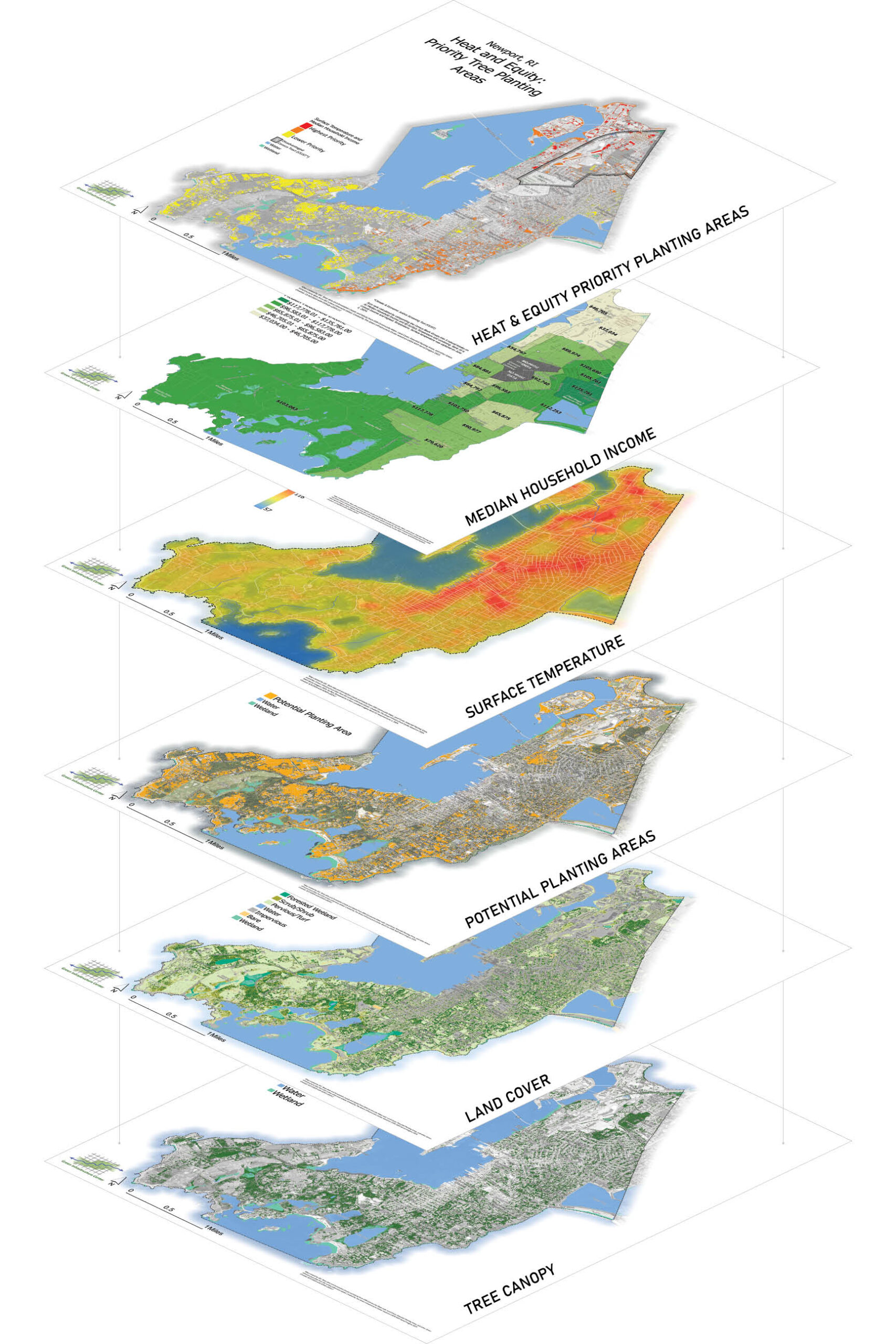 At the Green Infrastructure Center (GIC), we use data to drive decisions that make communities greener, healthier, and more resilient. Each state-based team is supported by a technical team of landscape architects, GIS analysts, natural resource managers, and planners based at GIC’s Charlottesville, Virginia headquarters. Our team combines GIS mapping with on-the-ground expertise and lived professional experience to identify the most effective places to plant trees. These are sites that deliver the greatest environmental and social benefits.
Through advanced GIS modeling, we assess existing canopy coverage, potential planting areas, and the ecosystem services trees provide, from stormwater management and air quality improvements to urban cooling. This data-driven approach ensures that we are optimizing the social, environmental and health impacts of every tree planted.
Our work results in strategic tree canopy plans complete with detailed maps, data visualizations, and actionable goals. These plans empower communities, especially those historically underserved, to make informed decisions about where and how to grow their urban forests. By combining mapping, modeling, and local engagement, GIC helps cities and towns build greener infrastructure that benefits both people and the planet.
Communities Served
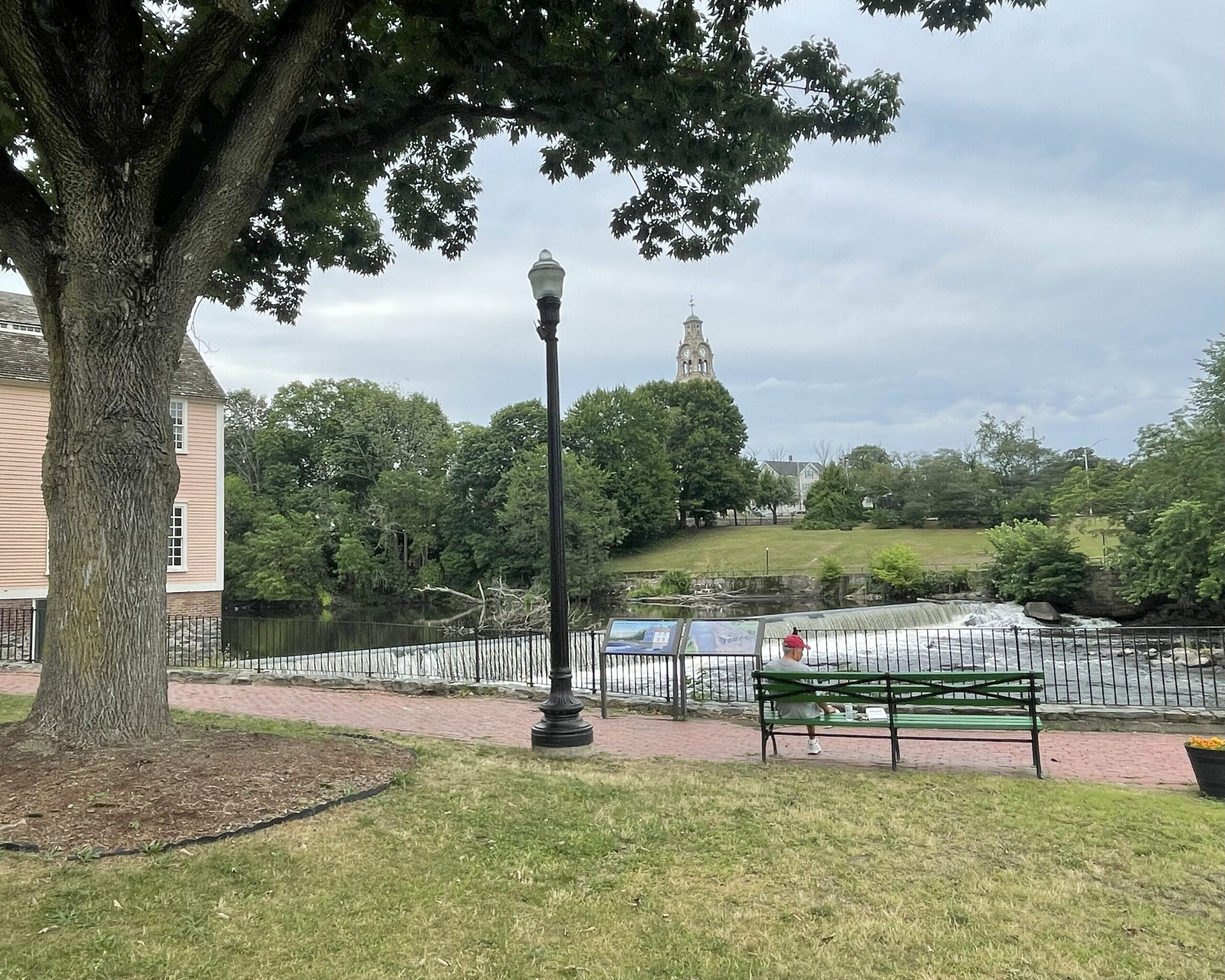 Pawtucket, Rhode Island
The Town of Pawtucket is taking action to sustain its 21% tree canopy through strategic planning and community partnership. Revamped programs, professional oversight, and public education will keep the city’s urban forest thriving.
Status: Phase II in progress | Trees Planted: 5 | View Report
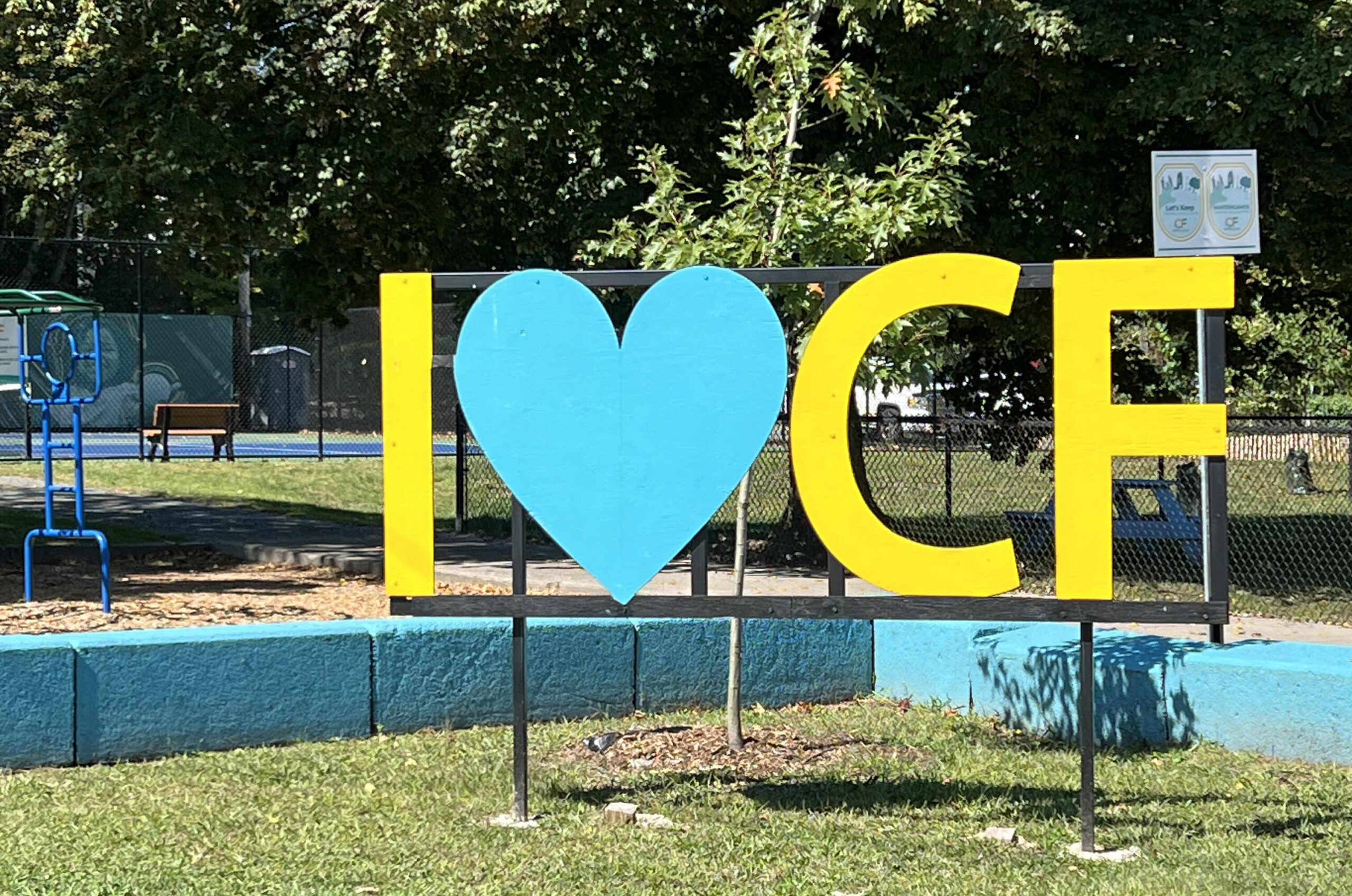 Central Falls, Rhode Island
Over the next decade, Central Falls will increase tree canopy cover from 19% to 20% by prioritizing planting in low-canopy areas, strengthening zoning and development standards, and improving urban forestry oversight. Key actions include establishing a citywide canopy goal, maintaining a public tree inventory, providing professional arborist review, and expanding programs that support strategic tree planting with stormwater and environmental benefits.
Status: Phase II in progress | Trees Planted: 4
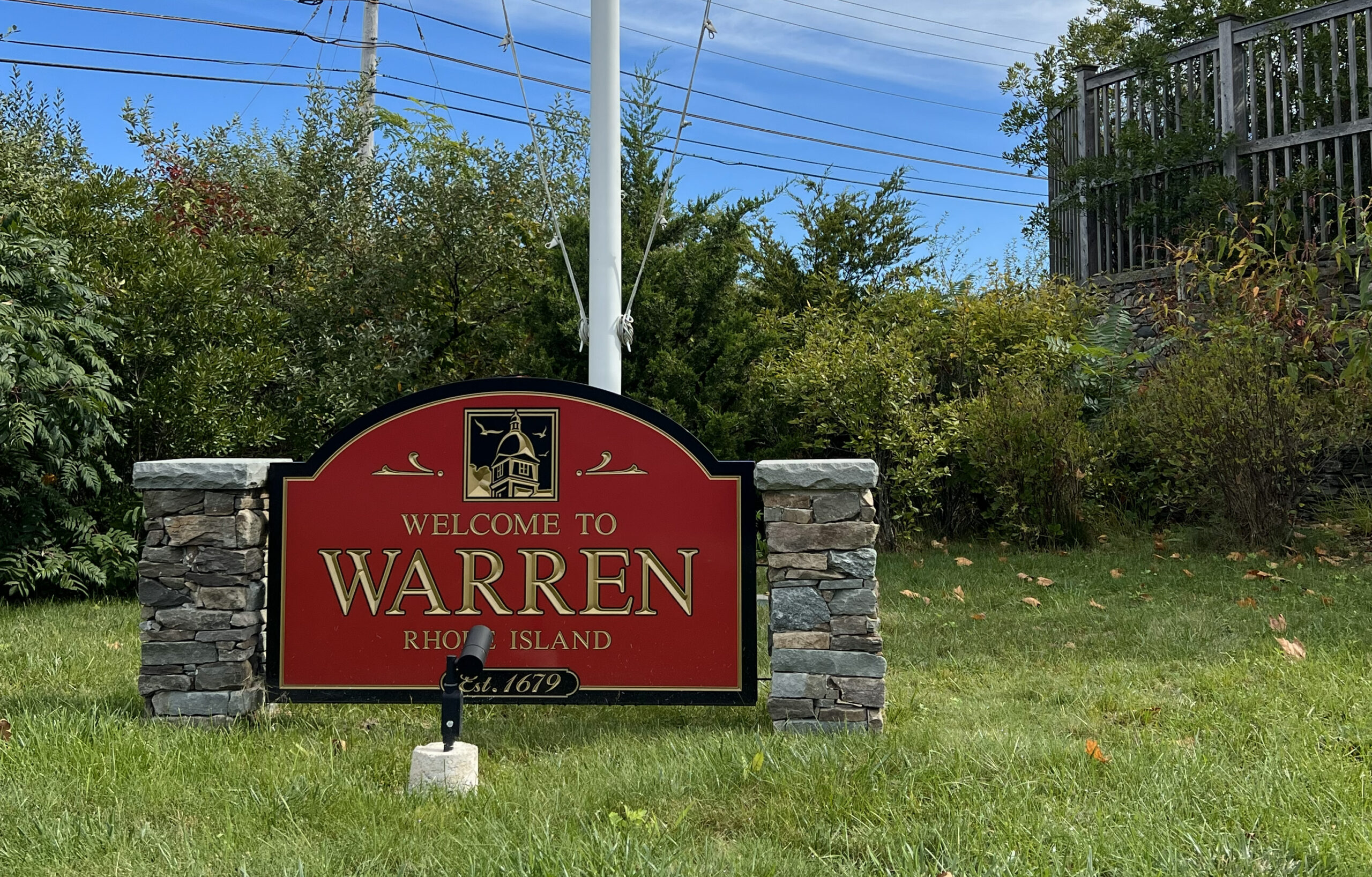 Warren, Rhode Island
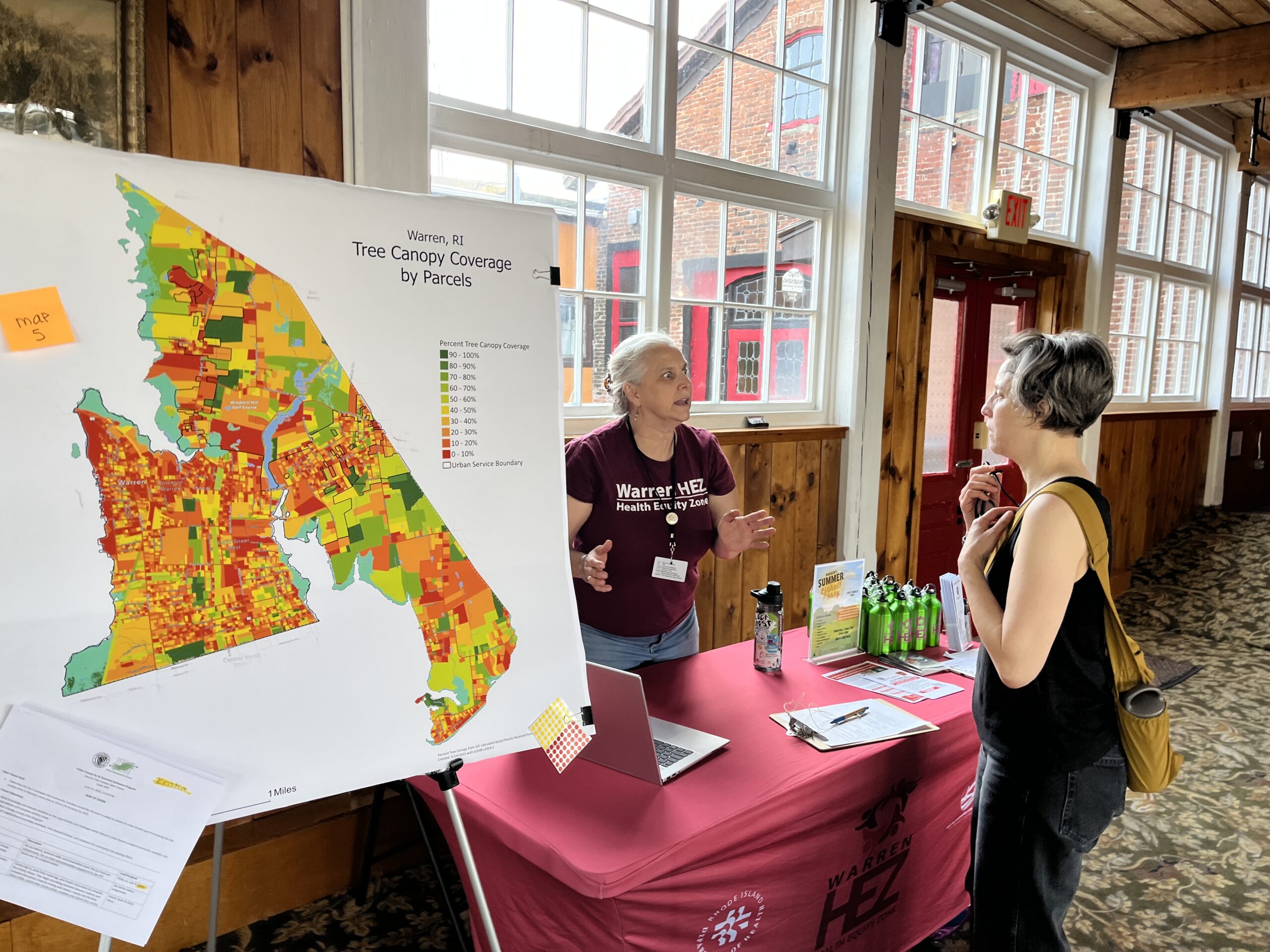
By 2035, Warren aims to increase urban tree canopy from 30% to 31% through integrated stormwater planning, zoning reforms, and targeted investment in tree planting. Key strategies include developing a Stormwater Master Plan, updating land use and tree care standards, establishing a tree bank to support planting and mitigation, and expanding free sidewalk tree planting programs focused on neighborhoods with low canopy and high heat exposure.
Status: Phase II in progress | Trees Planted: 51
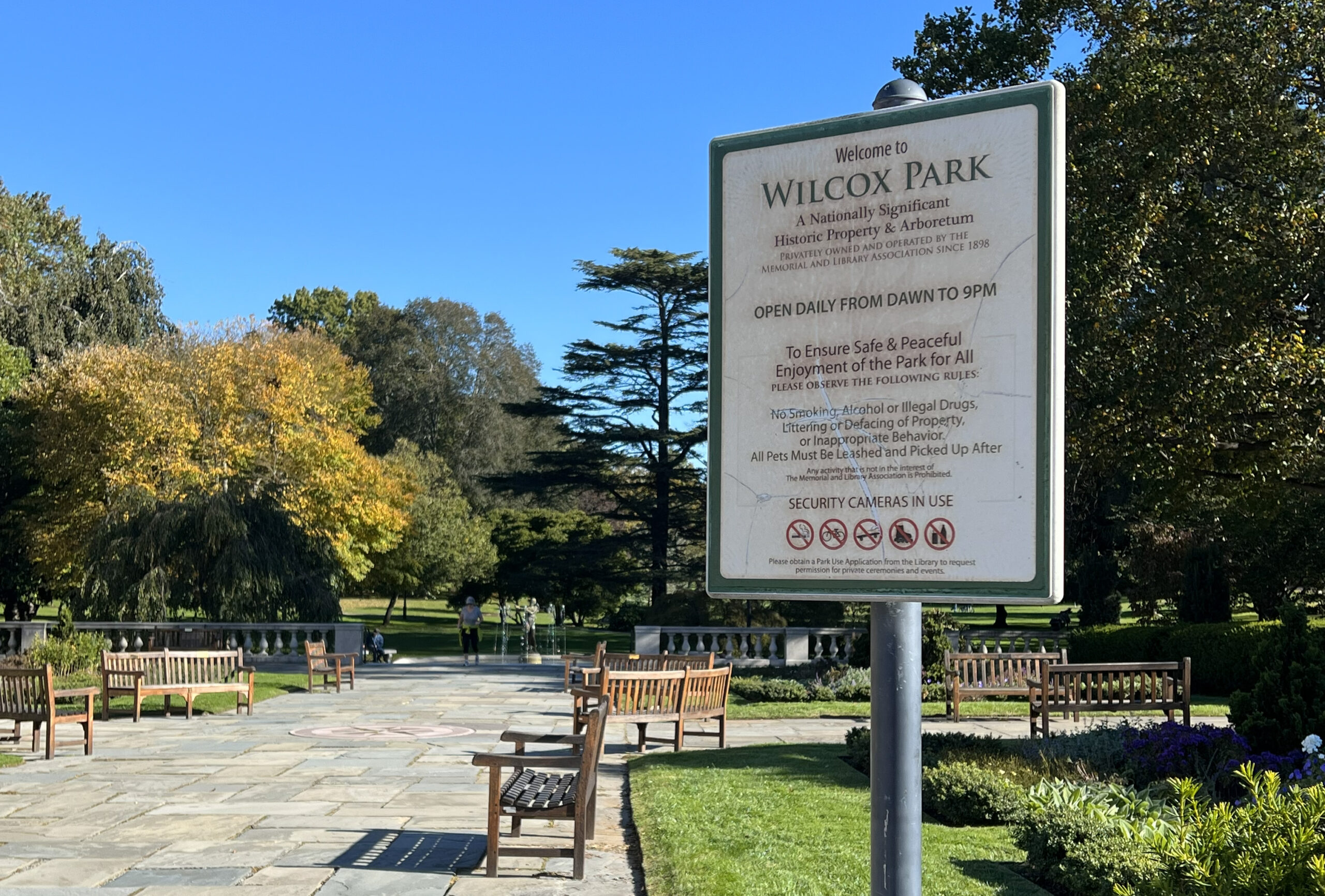 Westerly, Rhode Island
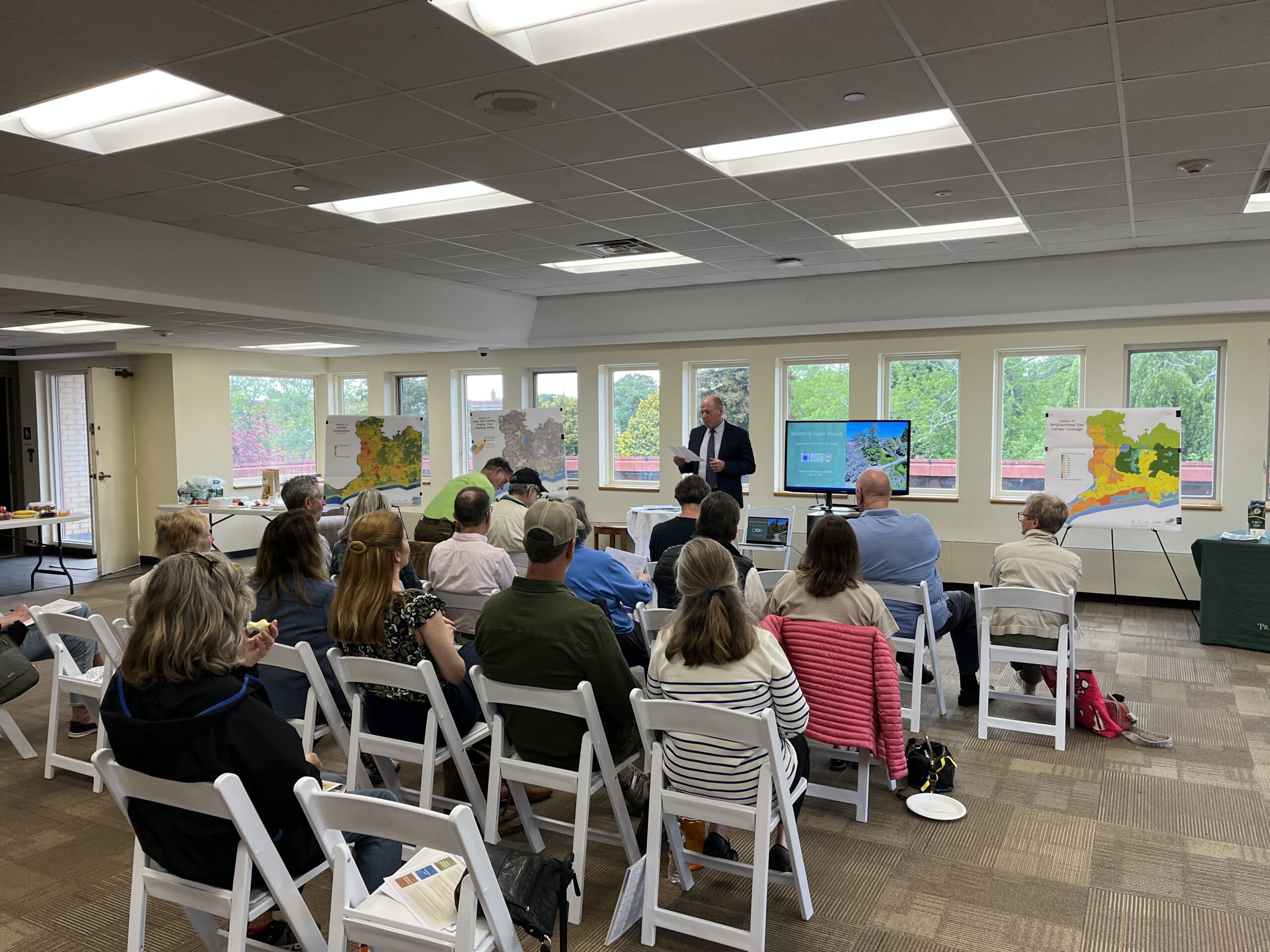
Over the next decade, Westerly aims to increase tree canopy within the urban service boundary from 35% to 37% through targeted tree planting, updated landscape regulations, and strengthened urban forestry policy. Key actions include prioritizing planting on low-canopy, high-heat streets, reducing impervious surfaces, adopting a tree ordinance, maintaining a public tree inventory, and expanding public education to support long-term canopy growth and watershed health.
Status: Phase II in progress
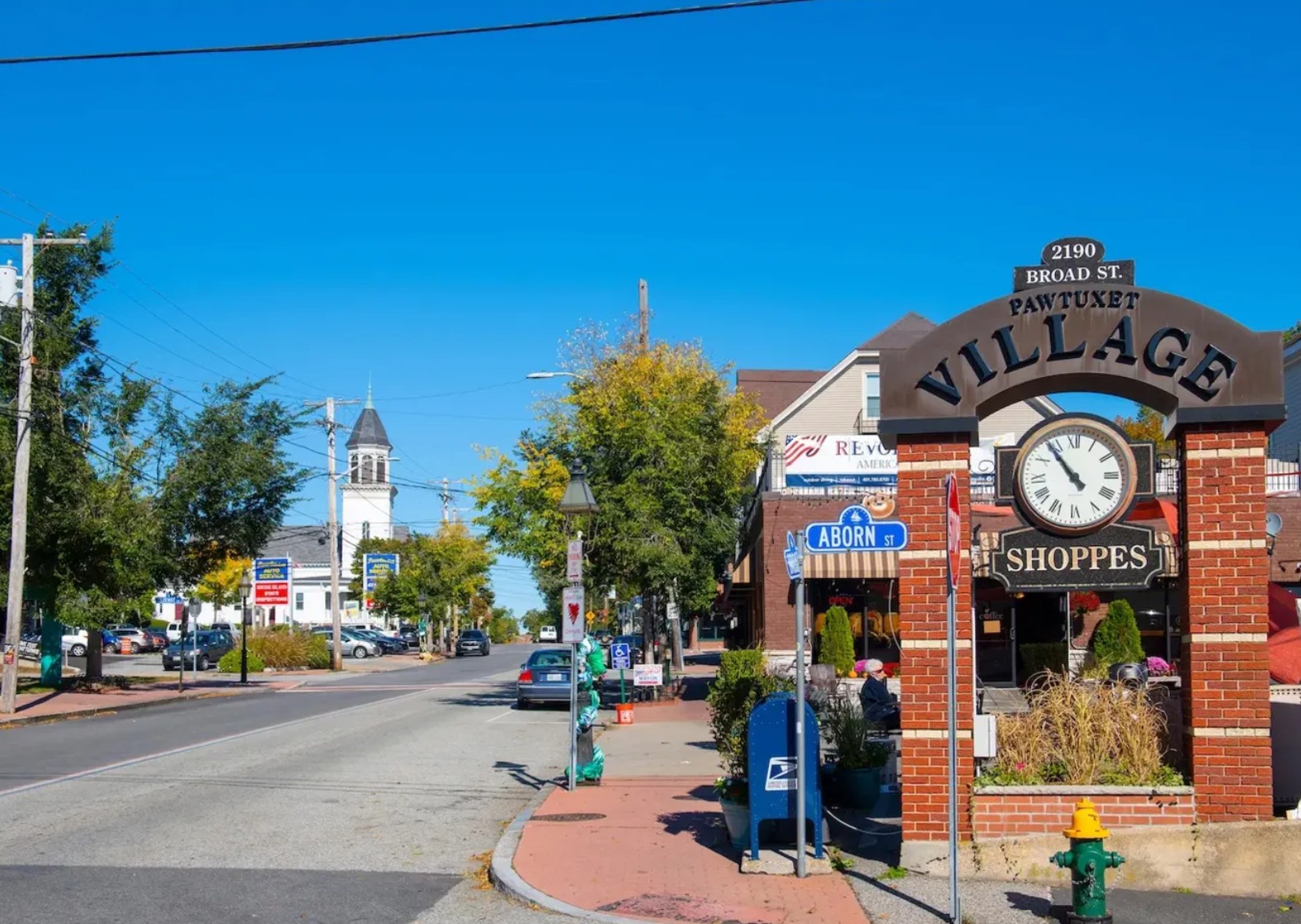 Cranston, Rhode Island
Over the next decade, Cranston aims to increase tree canopy within the urban service boundary from 34% to 35%. The community is in the process of voting on strategies to achieve this goal.
Status: Phase I in progress | Trees Planted: 31
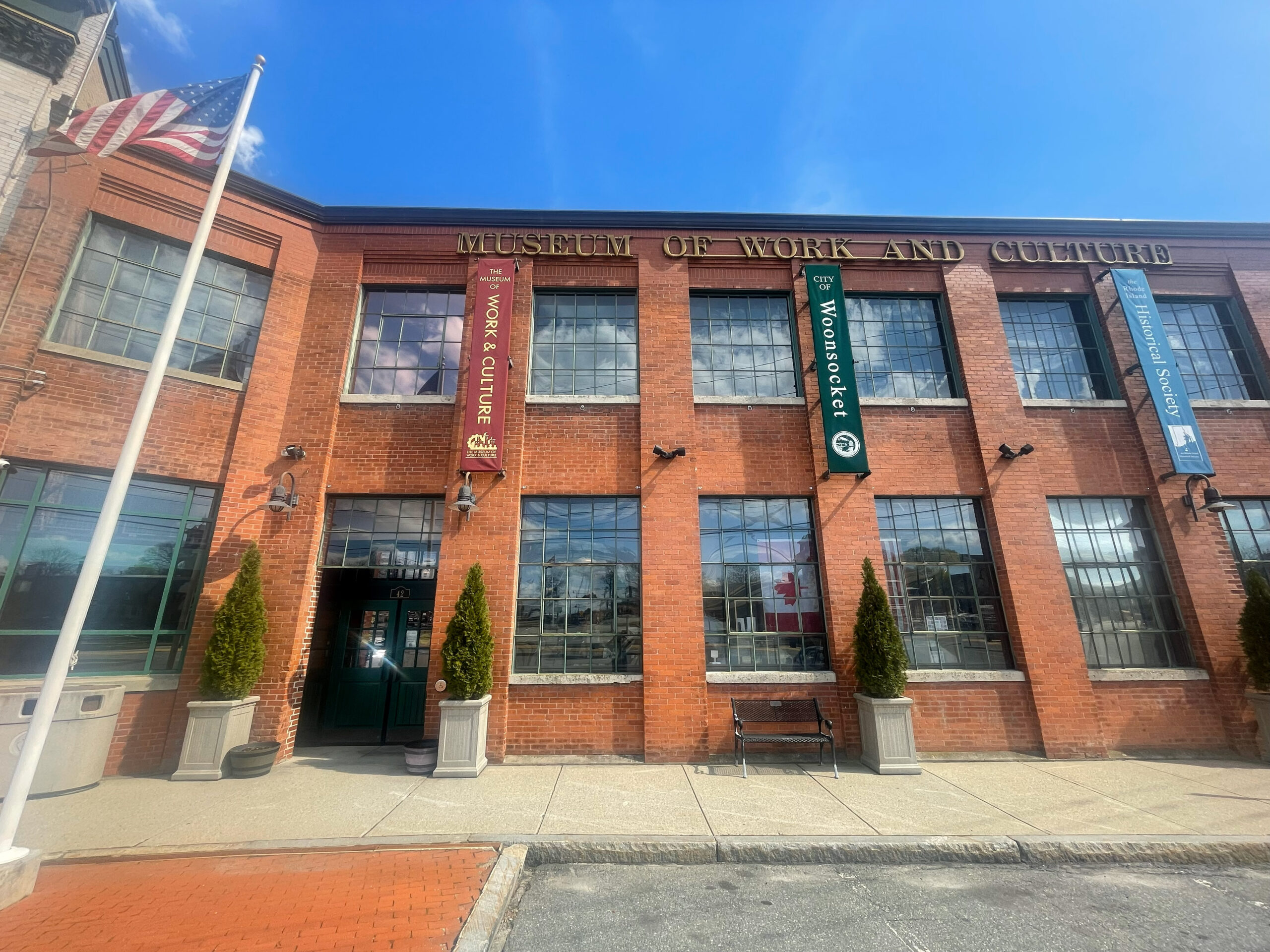 Woonsocket, Rhode Island
By 2035, Woonsocket aims to increase its tree canopy from 34% to 35%. The community is in the process of voting on strategies to achieve this goal.
Status: Phase I in progress
Other Communities Served
North Providence | Phase I in Progress
Newport | Trees Planted: 123 | Report in Progress
East Providence | Trees Planted: 39 | View Report
Barrington | Trees Planted: 50 | View Report
Bristol | Trees Planted: 50 | View Report
News and Highlights
Paid and Volunteer Opportunities Available
Help grow a greener Rhode Island by joining local urban forestry efforts in your community!
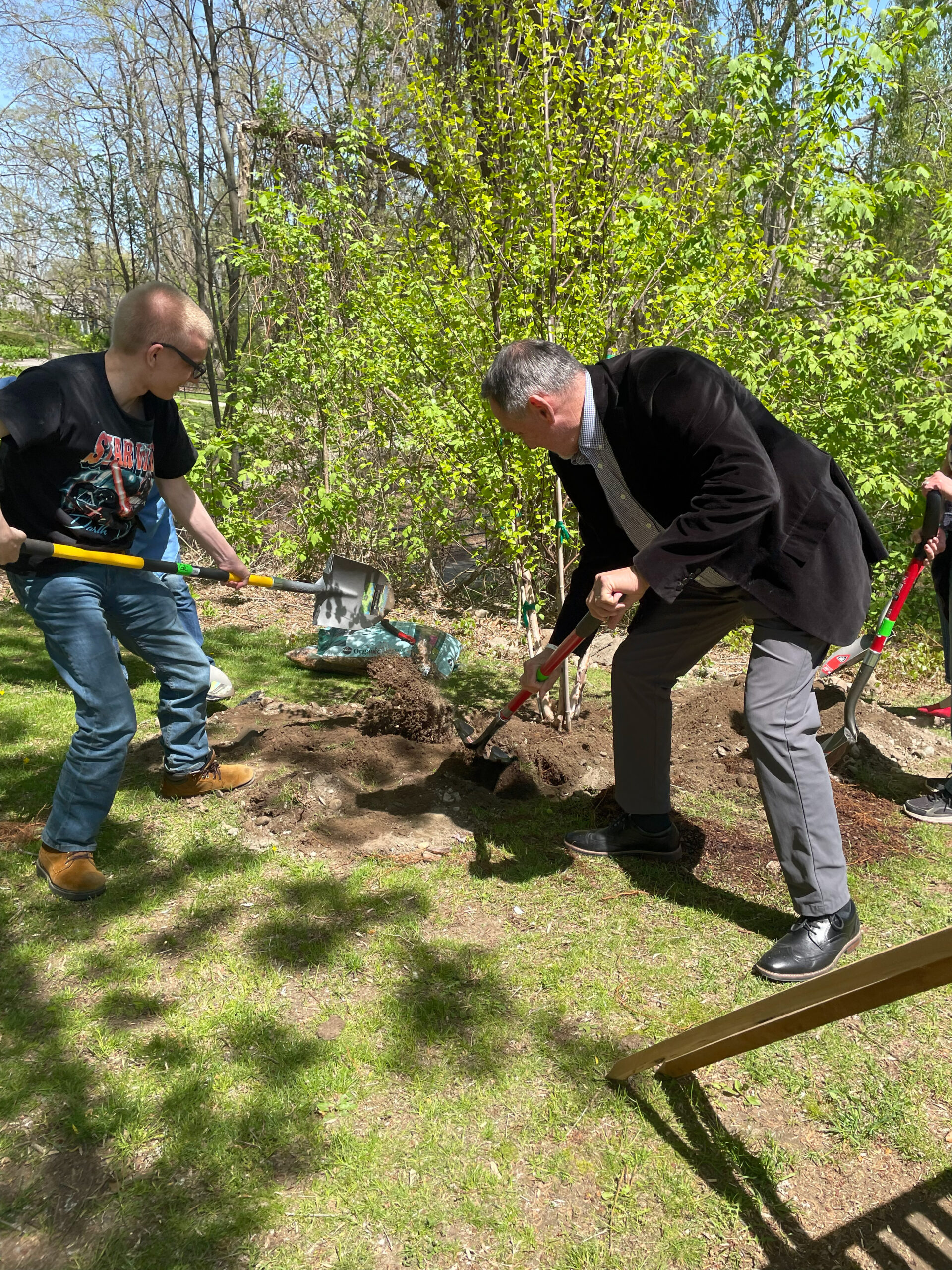
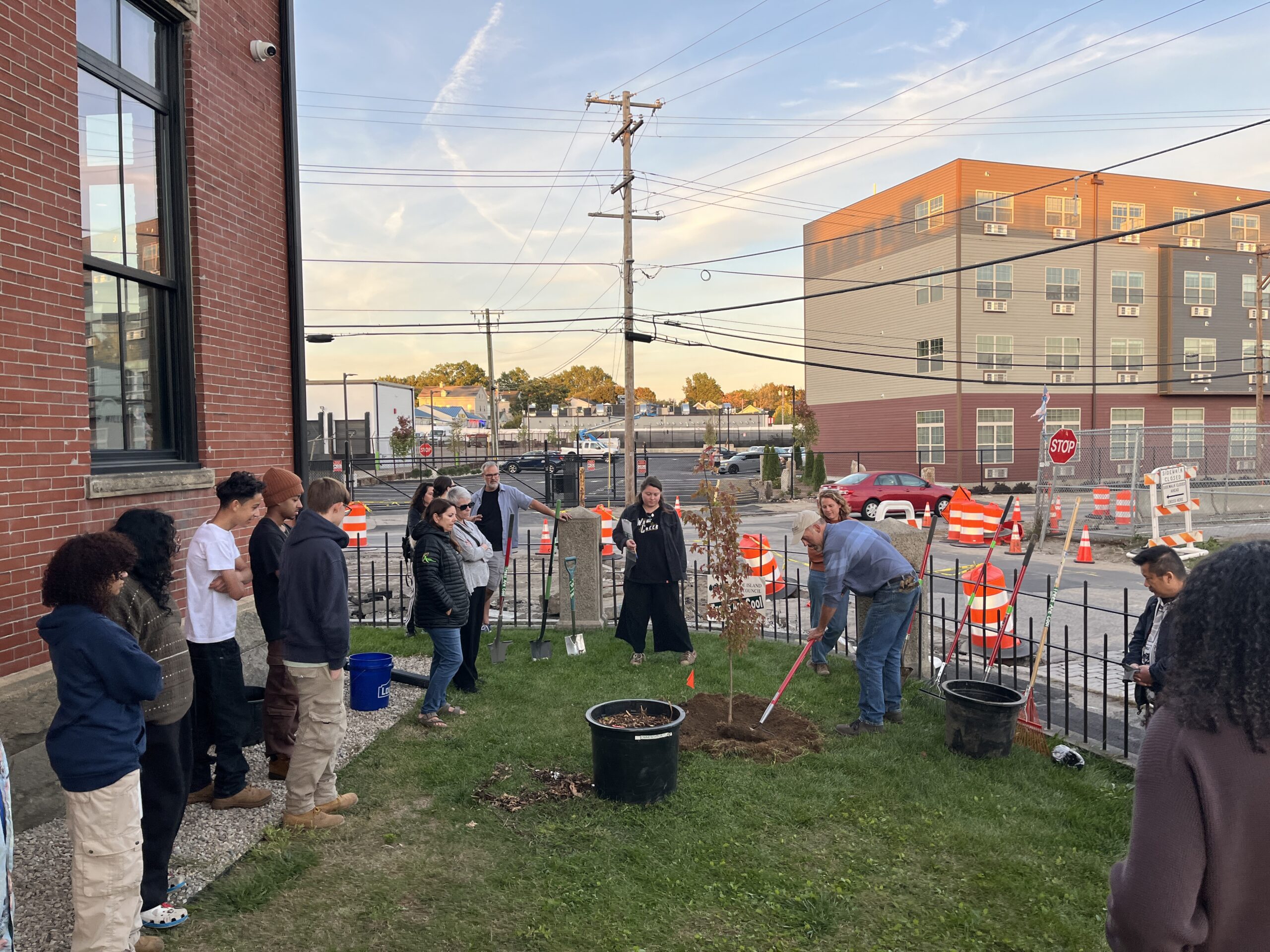
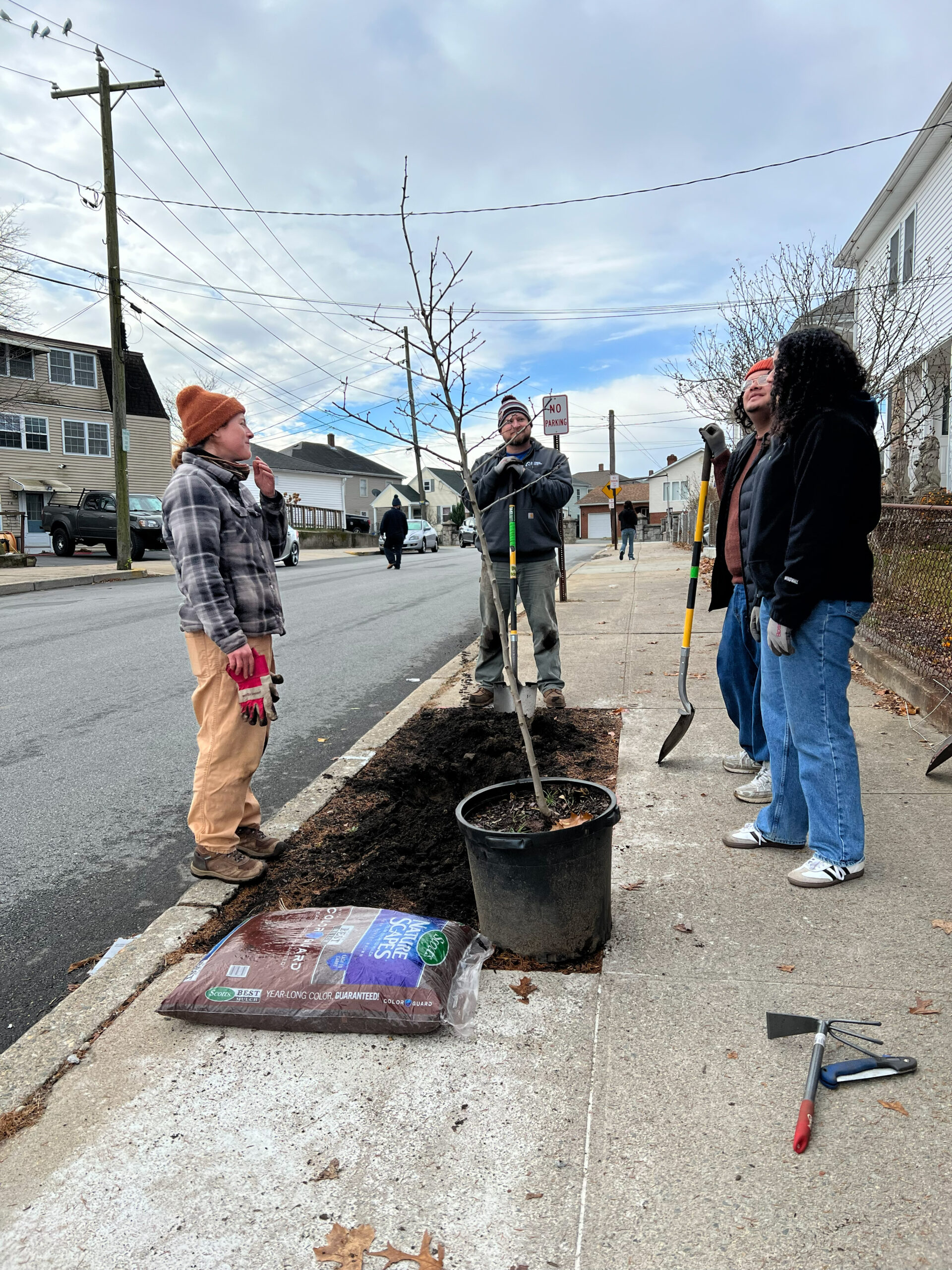
GIC has paid and volunteer opportunities for residents and workers in participating communities. If you’re interested in planting trees, supporting local greening projects, or helping with community outreach, fill out the interest form and a GIC RI team member will reach out with more details.
DEM and GIC Launch Urban Forests Grant Program for Rhode Island
New program provides municipalities with technical assistance to expand tree canopy, improve equity, and strengthen climate resilience.
Newport Among R.I. Communities Seeking to Bolster Tree Canopies
Eight Rhode Island municipalities are hoping trees can help remediate issues that have plagued their communities for decades.
Plenty of room for more trees to be planted in Pawtucket
The Green Infrastructure Center shared how trees strengthen communities—cleaning air, managing stormwater, cooling neighborhoods, boosting property values, supporting habitat and recreation, improving health, and lowering energy costs.
Meet the Rhode Island Team
 |
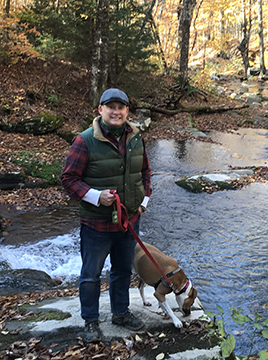 |
| Molly Henry Community Forestry Planner |
Alexander J. Elton Community Forester |
Want to Work With Us?
GIC frequently partners with states and local governments to write grant proposals. GIC is also able to work on a fee-for-service basis as a consultant to governments, land trusts and conservation organizations.
Are you interested in growing your community’s tree canopy? We’d love to help. Connect with us to see how your community can get started!